



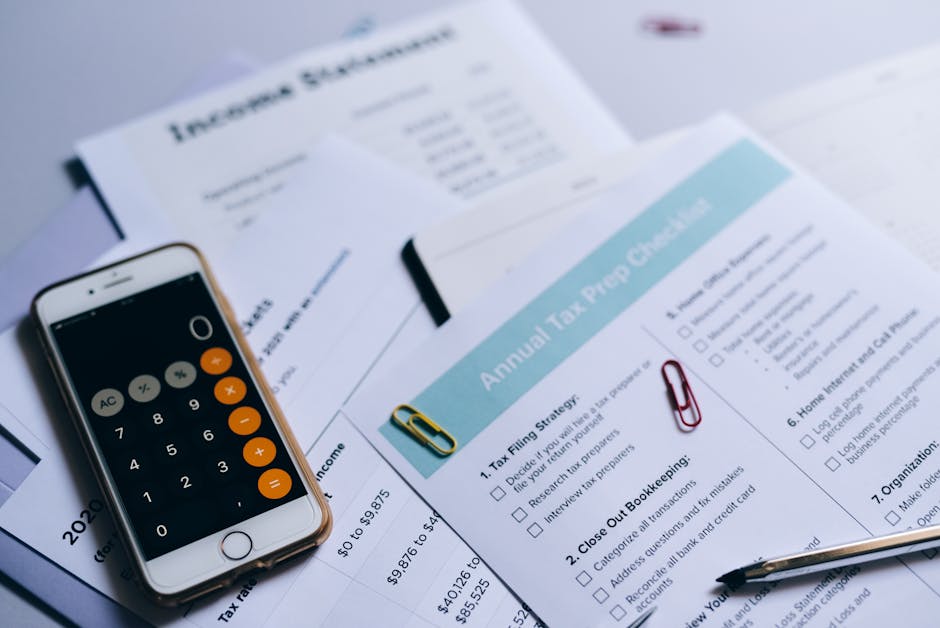
UAE Tax Residency in 2026: A Practical Evidence Checklist for Expats
A friction-ready guide to building credible UAE tax residency evidence in 2026: what to prepare before you arrive, what to collect month by month, and the failure points that trigger questions from banks and home countries.
Use your browser search or scroll to sections below.
The bank branch in Business Bay is quiet until your relationship manager flips to the “address proof” page. You slide over your Emirates ID and a tenancy contract, and they pause: “Do you have Ejari yet, or a utility bill in your name?”
That small pause is the theme of UAE tax residency in real life. Day counts matter, but what slows people down is evidence that connects your visa, home, and financial footprint into a coherent story banks, auditors, and sometimes your previous tax authority can follow.
Tax residency is a status, but you’ll be asked for proof
What people mean by “UAE tax resident” in practice
In 2026, the practical problem is rarely the label. It’s whether you can evidence that the UAE is your center of life for the period in question, and that you’ve reduced conflicting ties elsewhere.
Different counterparties ask for different things. A bank KYC review might focus on address and source of funds. A home-country review might focus on where you actually lived, worked, and kept your main home.
- Expect evidence requests from: banks (KYC/AML), brokers, auditors, landlords, schools, and sometimes your former tax authority
- Proof is a bundle: immigration records + home base + finances + family ties + business/work documentation
- Build the file as you go; recreating it a year later is harder than it sounds
A vs B: “Day-count focus” vs “evidence file focus”
Approach A is to track days and assume the rest will be fine. This can work for straightforward cases, but it tends to fail when you have a second home, frequent travel, or a business that still operates heavily abroad.
Approach B is to treat day counts as necessary but not sufficient, and maintain an evidence file that explains your setup. This is usually a better fit for founders, high earners, and families with assets in more than one country.
- A (day-count focus) fits: single-country income, simple employment, stable lease, limited travel
- B (evidence file focus) fits: founders, multiple income streams, cross-border assets, kids in school, frequent travel
- Trade-off: B takes admin effort monthly, but reduces last-minute scrambling during KYC or a residency challenge
What to prepare before you arrive (so you don’t backtrack later)
Document chain you should assemble at home
The UAE side often moves faster than the “old country paperwork” side. If you wait until you’re in Dubai to request missing statements or employment letters, you can lose weeks, especially if documents must be reissued with wet signatures or specific wording.
If your plan involves family sponsorship, school admissions, or opening a company bank account, assume you’ll be asked for the same core documents multiple times.
- Passport with sufficient validity and clear scans of all pages used for visas/entry stamps
- Recent bank statements (typically 3–6 months) showing income/source of funds
- Proof of previous address and tax position (whatever is applicable in your home country)
- Employment/contractor documents or company ownership documents that match how you’ll be paid in the UAE
- Marriage and birth certificates if relocating with family (attestation may be needed depending on use case)
- A simple one-page “profile” you can reuse for KYC: what you do, where clients/employer are, expected UAE activity
Decisions that affect your evidence later: visa, housing, and business structure
Your evidence file becomes much easier if your visa route, living arrangement, and income channel line up logically. Problems start when you try to live on a tourist status while signing long commitments, or when your declared income source doesn’t match bank inflows.
If you’re choosing between employment, investor/founder routes, or setting up a company, think ahead to how you will explain it to a bank and, if needed, a home-country authority.
- Visa route: choose one that matches your real activity (see https://svan.ae/en/visas)
- Housing: plan for a lease path that can produce Ejari/tenancy evidence (see https://svan.ae/en/housing)
- Company setup: pick a structure you can operate and document, not just a license on paper (see https://svan.ae/en/company)
The evidence checklist to build in your first 90 days
Core UAE anchors: identity, address, and continuity
Think in “anchors.” Anchors are documents that place you in the UAE and connect you to an address and a timeline. They’re useful because they’re issued by systems counterparties recognize and can be cross-checked.
When something is missing, it often cascades. No Emirates ID can slow bank onboarding. No Ejari can slow utilities and sometimes dependents’ school paperwork. That’s why the sequence matters.
- Residence visa and Emirates ID (keep copies of application receipts and approvals)
- Tenancy contract and Ejari (where applicable) plus move-in documentation
- Utility account setup evidence (e.g., electricity/water account opening confirmation) when available
- Local mobile number contract and consistent contact details across accounts
- Entry/exit records and travel confirmations organized by month
Financial footprint that matches your story
Banks and compliance teams look for consistency: your stated income source should match the pattern of deposits, your address should match your customer file, and your business activity should match the license or employment arrangement.
This is where many “tax residency” discussions actually break down, because the first serious evidence review is often a bank KYC refresh rather than a tax office letter.
- UAE bank account opening pack and ongoing statements
- Salary certificates or employment letters if employed
- Invoices, contracts, and payment trails if self-employed or running a company
- Proof of ongoing expenses in the UAE (rent payments, telecom, school fees if relevant)
- A clean explanation of any large inbound transfers (sale proceeds, dividends, bonuses) with documents ready
Mini-case: when the file is thin, you feel it later
A founder arrived, got a visa, and rented short-term accommodation while negotiating a long lease. Six months later, their bank asked for updated address proof and business contracts due to incoming client payments from abroad.
They had Emirates ID but no Ejari, inconsistent address entries across accounts, and only partial client contracts. The review dragged on for weeks until they formalized the lease, aligned their KYC profile, and produced a contract-and-invoice trail that matched the license activity.
- Outcome: not a “rejection,” but delays, extra questions, and limited account functionality during review
- Fix: formal address evidence + consistent KYC narrative + documentation that matches actual inflows
Common failure points that trigger questions (and how to reduce them)
Where people get stuck: mismatches and missing links
Most issues are boring: a name variation, an old address still used on statements, a lease that isn’t registered, or a company that exists but doesn’t show real operations.
Treat your evidence as a chain. If one link is weak, you may be asked to compensate with extra documents, explanations, and sometimes attestations.
- No registered housing proof (e.g., no Ejari/tenancy evidence) or frequent address changes
- Inconsistent name spelling across passport, visa, bank, and lease documents
- Income flows that do not match stated employment or license activity
- Heavy travel without a clear base (few UAE anchors, lots of third-country time)
- Family still fully anchored abroad (schooling, primary home) without a clear explanation
What to do when you can’t get the “ideal” documents yet
Sometimes you genuinely can’t produce the ideal document in the first month. You might be in a hotel, between leases, or waiting for a landlord to complete registration steps.
The workaround is to keep interim evidence and be consistent. Interim evidence rarely replaces a proper lease long term, but it can help you bridge the gap during onboarding and early compliance reviews.
- Keep hotel/serviced apartment invoices and booking confirmations in your name
- Maintain a single mailing address and update it across bank, telecom, and employer records at the same time
- Save appointment confirmations and receipts for visa medical, biometrics, Emirates ID processes
- Document why a lease is delayed (emails with agent/landlord) rather than leaving a blank period
Maintaining the file and timing formal requests
A simple monthly routine that keeps you audit-ready
The easiest evidence file is the one you maintain in small pieces. Set a recurring monthly task and you won’t have to reconstruct travel, statements, and contracts when someone asks at an awkward time.
If you’re running a business, align this routine with basic company compliance so the story stays consistent across tax, banking, and licensing.
- Export travel log for the month (tickets/entry-exit screenshots if available) and store it
- Download UAE bank statements and label them by month
- Save 3–5 key UAE “life” proofs: rent receipt, utility/telecom, school payment, insurance, clinic receipt
- For companies: keep signed client contracts, invoices, and proof of delivery aligned to payments
When you may need a formal certificate or stronger proof
Some situations require more than a well-organized folder. Examples include mortgage applications, certain brokerage onboarding, or a home-country inquiry where you must show official residency evidence beyond day counts.
If you’re aiming for a specific document outcome, plan backwards from the requested format and be realistic about lead times, additional attestations, and follow-up questions.
- Plan around banks’ KYC cycles and large inbound transfers, not just your personal timeline
- Keep your housing and visa status current before requesting anything that will be scrutinized
- If relocating with family, keep school and dependent visa records together (see https://svan.ae/en/family)
Next steps
- Create a single folder structure for 12 months of travel, housing, and banking evidence before you land.
- Choose a visa and housing path that can produce Emirates ID plus registered address proof within your first 60–90 days.
- Write a one-page KYC narrative that matches your income sources, and keep it consistent across bank, employer, and company records.
FAQ
Is spending 183 days in the UAE enough to prove tax residency?
It can be a strong factor, but in practice it is not the only question you will face. Banks and home-country authorities often look for a coherent set of documents showing the UAE as your main base: visa and Emirates ID, housing evidence, financial activity, and reduced ties elsewhere. If you have a second home, frequent travel, or a business still operated abroad, expect more questions even with solid day counts.
What documents do banks usually accept as proof of UAE address?
Typically, a registered tenancy document (such as Ejari in Dubai) is the cleanest proof. Some banks also accept certain utility documents or official correspondence, but acceptance varies and can change during compliance reviews. If you are between leases, keep interim evidence (serviced apartment invoices, booking confirmations) and be ready to provide the registered lease once available.
Can I build a tax residency evidence file if I live in a hotel at first?
Yes, but it is usually weaker until you have a longer-term housing anchor. Collect hotel invoices in your name, keep consistent contact details, and save visa and Emirates ID process receipts. Treat it as a bridge, not an endpoint. Most people find that formal housing evidence becomes necessary for smoother banking and other admin tasks.
Do I need to set up a company to be considered a UAE tax resident?
No. Many people are tax resident through employment or other residency routes. A company can help if it matches your real work and income model, but a “paper company” with no real operations can create questions rather than solve them. If you do set one up, align license activity, contracts, invoicing, and bank inflows so your story remains consistent.
Why does my bank ask for contracts and invoices if I already have Emirates ID?
Emirates ID establishes identity and residency status, but banks also need to understand source of funds and the nature of your business or employment. That often means contracts, invoices, and an explanation of counterparties. If your payments come from abroad, expect extra scrutiny and prepare supporting documents before the first large transfer.
What are the most common reasons a “tax residency” conversation becomes a problem?
Usually it is a mismatch: you claim the UAE is your base but you have no stable housing evidence, or your income story does not match bank inflows, or your family and main home remain clearly anchored elsewhere. The fix is rarely one document. It is aligning the chain: visa route, housing, financial footprint, and a timeline that makes sense.
If I relocate with family, what extra evidence should I keep?
Keep dependent visas and Emirates IDs, school admission and fee receipts, and any family housing documents together. These become practical “ties” evidence when a reviewer asks where your family actually lives. Also keep attested marriage and birth certificates if you used them for sponsorship or school registration, as you may be asked to reproduce them later.
Photo credit: Pexels — Leeloo The First
This article is general information, not tax or legal advice. Tax residency outcomes depend on your facts, timelines, and the rules of any other country involved. Confirm requirements with qualified advisers and relevant authorities for your situation.