



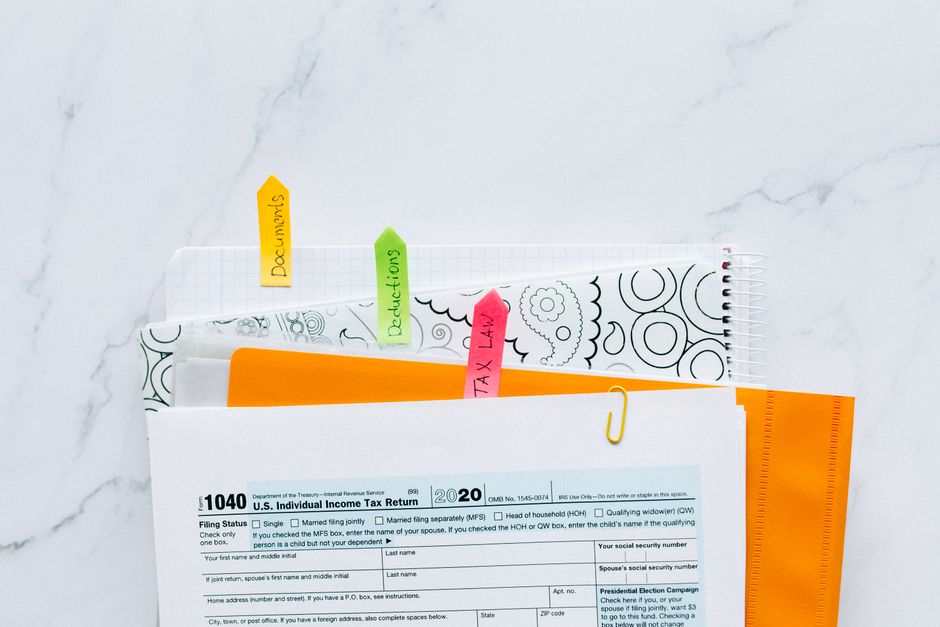
UAE Tax Residency for New Dubai Arrivals: Build Proof That Matches Real Life
A practical, friction-aware plan to build a defensible UAE tax residency position after you move to Dubai, including the documents banks and home-country auditors actually ask for.
Use your browser search or scroll to sections below.
18:10, DIFC bank branch. You have your Emirates ID, a tenancy contract, and a utility bill on your phone. The relationship manager asks for a “tax residency confirmation” and a six‑month account statement from your previous country, then adds one more question: where do you actually spend most nights.
This is the part people miss. Getting a UAE residence visa is one workflow. Building a tax residency position you can defend to a bank, an auditor, or your old tax authority is another. The gap is usually not a missing form, but a thin paper trail that still looks like you live somewhere else.
Separate “residence visa” from “tax residency” early
What triggers questions in 2026 reviews
Most challenges start when your facts look split: visa in the UAE, but family, home, or spending patterns elsewhere. Banks and some home-country tax authorities focus less on what you say and more on what your documents imply month to month.
Treat your move as a documentation project. If you cannot show a stable UAE living setup, even a correct day count can be hard to use in practice.
- Visa and Emirates ID prove you can live in the UAE, not necessarily that you do
- A “center of life” challenge usually points to housing, family location, and active ties abroad
- Bank KYC often asks for source of wealth, source of funds, and ongoing proof of address
Trade-off: day-count strategy vs “life-admin” strategy
Two approaches show up in real relocations. A day-count strategy aims to hit a threshold and keep everything else flexible. A life-admin strategy sets up housing, utilities, local banking, and routine evidence so the story is coherent even when you travel.
Day-count heavy planning can fit consultants and frequent travelers, but it becomes fragile if you keep a primary home abroad. Life-admin heavy planning fits families and founders who want fewer explanations later, but it requires more upfront admin in Dubai.
- Day-count strategy fits: high travel, short lease terms, no dependents, minimal local footprint
- Life-admin strategy fits: spouse/kids in the UAE, long lease, local banking, school enrollment
- If you want a TRC later, plan for a stronger paper trail from day one
Build a “proof file” that survives bank and tax questions
Your core evidence stack (keep it updated monthly)
Create one folder that you can hand to a bank compliance team or use when compiling a tax residency certificate application later. The goal is not to hoard documents, but to show consistent, ordinary life in the UAE.
Aim for documents that show both presence and permanence: where you sleep, where you pay recurring bills, and where your family routines happen.
- Emirates ID front/back and visa page or e-visa printout
- Ejari (registered tenancy) and the signed tenancy contract
- DEWA or utility bill(s) tied to the rented property (or proof of who pays if included in rent)
- Local bank account opening confirmation and periodic statements
- UAE mobile plan contract or monthly bills
- Flight history and a simple day-count log (calendar + boarding passes where available)
- Health insurance policy in the UAE (especially if family is relocating)
- School admission/enrollment letters if you have children
Common failure points (and the fix)
Most “proof” problems are caused by timing and mismatched names. A lease signed before the visa is issued, a utility bill in the landlord’s name only, or a bank statement still mailing to your old address can undo a clean narrative.
If something is not in your name yet, document the reason and the bridge evidence you do have, then correct it in the next billing cycle.
- Lease not registered: tenancy contract without Ejari often isn’t accepted as a stable address proof
- Name mismatch: passport spelling vs Emirates ID spelling creates back-and-forth with banks
- No local recurring bills: living in hotel/serviced apartment with zero address trail
- Family still abroad: school, medical, and household spend remains centered outside the UAE
- Old-country ties untouched: active primary home, memberships, or employer contract not updated
What to prepare before you arrive (so you do not redo steps)
Documents that are painful to fix from Dubai
Dubai processes move fast until they hit an attestation, a missing original, or a compliance question that needs your old bank to respond. Bring more paper than you think you need, especially if you plan to sponsor family or open accounts quickly.
If you are moving with a spouse or kids, dependent visa paperwork tends to magnify small document issues, because you need consistent names, dates, and legal relationships across multiple certificates.
- Original marriage certificate and children’s birth certificates (plus required attestations where applicable)
- A few months of bank statements from your current accounts (for KYC and source-of-funds questions)
- Proof of address in your current country (to show the transition period clearly, not to keep it forever)
- Employment contract or company ownership documents if you will be paid from abroad
- A simple “relocation letter” to yourself: move date, UAE address once known, family move plan
Decision criteria: choose housing and visa steps that create usable proof
Housing is not only lifestyle. It is also the backbone of address proof, banking, and eventually many compliance narratives. A short-term setup can be fine, but understand what it blocks.
On the visa side, the practical question is: which route gives you stable renewals and a clean sponsor story, without constant cancellations or gaps.
- If banking is urgent, prioritize a lease that can be registered (Ejari) quickly
- If you will travel heavily, choose housing that still generates bills and statements reliably
- If you plan dependent visas, align sponsor, salary proof, and family documents before starting
- If you plan company setup, expect extra time for corporate bank KYC and personal KYC
Turn the move into routine evidence, not a one-off event
Housing and day-to-day admin that quietly matters
A lot of tax residency disputes are won or lost on boring admin. In Dubai, an Ejari, a consistent payment trail, and local service accounts make your timeline legible to outsiders.
This is where the housing and family pieces connect to tax. If your household spend, schooling, and medical coverage are in the UAE, the story becomes simpler to defend.
- Register Ejari as soon as you have the final signed tenancy contract
- Set up utilities and keep the first and second bills, not just the latest screenshot
- Pay recurring items from a UAE account where possible, to show economic life locally
- If your spouse/kids move later, keep a dated plan and the interim travel and school timeline
Mini-case: the “two-home” trap and how it played out
A founder moved to Dubai on a residence visa, rented a serviced apartment month-to-month, and kept the family home abroad “until summer.” The UAE bank opened an account but later froze outbound transfers pending updated KYC, asking for Ejari and evidence the family relocated.
Once they switched to a 12‑month lease, registered Ejari, enrolled the child for the next term, and consolidated recurring payments to the UAE account, the compliance review cleared. The delay was not about one missing document, but about the overall picture.
- Serviced apartments can be convenient, but they often produce weak address proof
- A family move plan with dates can help explain an interim period
- Banks may re-check KYC after account opening when activity increases
If you need a Tax Residency Certificate later: plan backward
Why TRC requests get stuck
TRC timelines vary and depend on your specific profile and the completeness of your evidence. People usually get delayed because they apply before they have enough period coverage, or because their supporting documents do not line up (address, entry/exit history, and banking).
Even if you do not plan to apply immediately, keep your proof file consistent so you are not reconstructing a year of life from screenshots.
- Applying too early without enough supporting period evidence
- Address trail gaps: no Ejari, expired lease, or utilities not tied to the applicant
- Entry/exit records and personal calendar not matching claimed presence
- Bank statements showing primary spending and salary still centered abroad
A simple monthly maintenance routine (15 minutes)
The easiest way to avoid future stress is to maintain your file like a monthly close. Save the documents, name them consistently, and write one line on anything unusual, such as a long trip or a temporary address.
This routine helps with tax discussions, bank KYC refreshes, and even tenancy renewals.
- Save UAE bank statement PDF + key receipts for recurring bills
- Save utility/mobile bills and a screenshot of your current UAE address in the provider portal
- Update your day-count log and keep flight confirmations
- Note any changes: new job, new sponsor, lease renewal, family arrival dates
Next steps
- Create a single “UAE proof file” folder and start saving monthly statements and bills.
- Choose housing that produces an Ejari and predictable address documentation.
- Map your first 90 days: visa/EID steps, bank KYC needs, and any family relocation dates.
FAQ
Is a UAE residence visa enough to be considered a UAE tax resident?
A residence visa helps, but it is not the whole story. In practice, you need a defensible fact pattern that shows your life is based in the UAE, supported by housing, address proof, banking activity, and a coherent travel/day-count record. If your strongest ties still point to another country, you may face questions even if you hold a valid visa.
What documents do banks in Dubai usually ask for during KYC reviews?
Common requests include Emirates ID, proof of address (often Ejari plus a utility bill), and evidence for source of funds and source of wealth. If your account activity grows, banks may ask again later and request additional items such as employment contracts, company documents, or more detailed statements from abroad.
I am in a hotel or serviced apartment. What can I use as proof of address?
Hotels and many serviced apartments can be weak proof because they do not always produce a registered tenancy (Ejari) and consistent utility bills in your name. If you need stronger proof quickly, consider moving to a lease that can be registered, or keep bridge evidence like a signed contract, payment receipts, and a clear timeline, then upgrade to Ejari-based proof as soon as possible.
My spouse and kids will join later. Does that weaken my UAE tax residency position?
It can raise questions if the family home, schooling, and routine spend remain abroad for a long time. That does not automatically make your position invalid, but it increases the need for a documented transition plan. Keep dated evidence of the intended relocation steps, travel records, and when possible, start shifting core life admin to the UAE (housing, insurance, and local accounts).
What are the most common mistakes that create dual-tax risk when moving to Dubai?
The recurring pattern is keeping strong residential ties in the old country while trying to claim the UAE as the main base. Typical mistakes include retaining a primary home available for use, leaving spouse/children permanently abroad, failing to update official addresses, and continuing to earn and spend in ways that look centered outside the UAE.
If I need a UAE Tax Residency Certificate later, what should I keep from day one?
Keep a clean address trail (Ejari, tenancy contract, utilities), a consistent day-count and travel record, and a banking trail that shows genuine day-to-day life in the UAE. Also keep copies of major “setup” milestones such as Emirates ID issuance, health insurance, and school enrollment if relevant.
Photo credit: Pexels — Nataliya Vaitkevich
This article is general information, not tax or legal advice. Tax residency depends on your personal facts and the rules of all relevant jurisdictions. Consider qualified advice before taking action.