



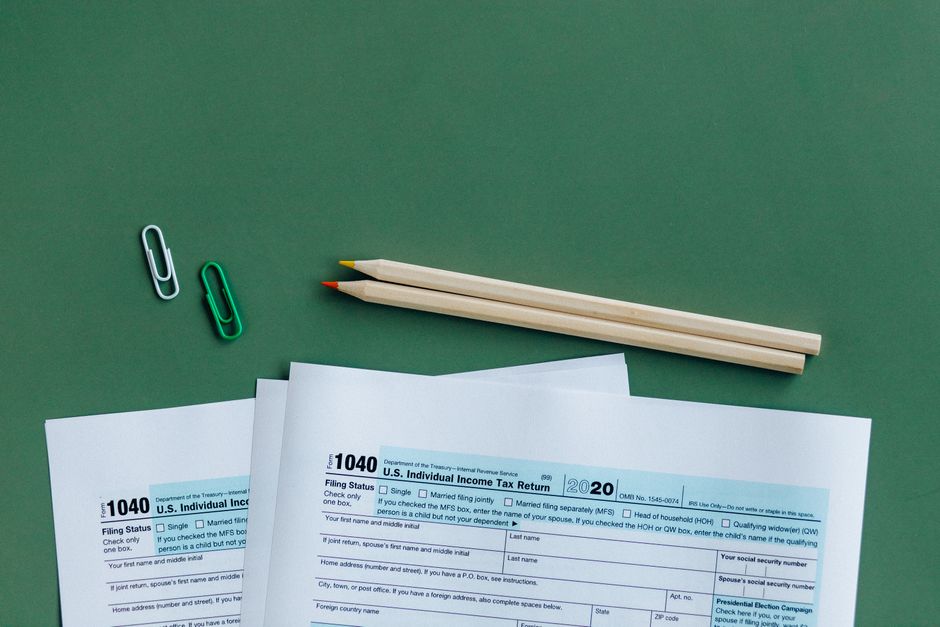
UAE Tax Residency Certificate in 2026: A Friction-Ready Family Checklist
A UAE Tax Residency Certificate can help, but it is rarely the first document you should chase. Here’s a practical 2026 plan for families: eligibility, timelines, evidence, and the avoidable mistakes that trigger rework.
Use your browser search or scroll to sections below.
Tuesday, 9:40am: you’re at a bank branch in Dubai Mall trying to update your profile after getting Emirates ID. The relationship manager prints a KYC form, circles “Tax residence” and asks for a tax residency certificate or “something official” for your previous country.
You came for a smoother life, not another evidence hunt. In practice, the UAE Tax Residency Certificate (TRC) is useful, but only when your visa, housing, and day-to-day proof line up. This guide focuses on what actually stalls TRC applications for families in 2026, and how to build a file that survives both bank compliance and questions from your home country.
What a UAE TRC does (and what it won’t fix)
Use cases where a TRC genuinely helps
A TRC is mainly a supporting document. It can help you demonstrate UAE tax residency to another country’s tax authority, to a foreign bank, or in treaty-related discussions where applicable.
It is not a magic switch to end obligations elsewhere. Most “dual country” problems come from unfinished exit steps, ongoing ties, or mismatched facts across visas, travel, housing, and family life.
- Common reasons families request a TRC: foreign bank onboarding, dividend/interest withholding discussions, home-country residency challenge, employer payroll clarification, personal audit defense file
- Expect requirements to vary depending on: your residency route, time in the UAE, whether you rent or own, and whether your income and banking footprint look consistent
The minimum reality check before you apply
Before you spend time gathering documents, confirm you can evidence actual residence. The TRC process is document-driven, and weak basics force you into last-minute scrambling: missing Ejari, no local bank statements, or a visa that was recently issued but you have not actually started living here.
If you are still spending long stretches outside the UAE, you can still plan for a TRC later, but your timing and evidence need to be deliberate.
- Have Emirates ID issued (not just “in process”)
- Have a real UAE address evidenced by Ejari (or ownership documents) and utility linkage where possible
- Have a UAE bank account with usable statements (not a dormant account you opened yesterday)
- Have travel records you can reconcile (entry/exit dates should not contradict your story)
Trade-off: apply fast vs apply clean
Fast applications fit people who already have stable basics: a long-valid residency visa, a signed lease with Ejari, and banking activity that reflects day-to-day life. Clean applications fit people who recently arrived, are mid-move, or still have meaningful ties elsewhere and need to control the narrative.
If you apply fast with weak evidence, you often lose time anyway because you end up re-issuing documents, translating/attesting, or clarifying inconsistencies. A short delay to build a cleaner file can be cheaper than multiple rounds of back-and-forth.
- Apply fast if: you have 6+ months of local bank activity, stable lease/Ejari, consistent travel pattern, and you can explain foreign income sources
- Apply clean if: you just landed, your family is still relocating, you’re between leases, or you expect scrutiny from your home country
Eligibility and timing: the sequence that reduces rework
The dependency chain: visa, housing, banking, then TRC
Families commonly try to reverse the order: they want a TRC to satisfy a foreign bank, but the TRC itself is easier when you already have UAE banking and housing evidence. In Dubai, housing paperwork (Ejari) and Emirates ID also affect utilities, school admissions, and even some bank limits.
Treat the TRC as part of your broader relocation admin stack, not a standalone task. If you need a structured overview of the tax side, keep a separate checklist you can maintain monthly.
For related tax planning and compliance context, see https://svan.ae/en/tax. If your residency route is still being decided, align it early with your evidence needs at https://svan.ae/en/visas.
- Typical sequence: residency visa and Emirates ID → lease and Ejari → UAE bank account and statements → TRC application
- Secondary impact: Ejari and Emirates ID often gate school enrollment steps and household setup (https://svan.ae/en/family, https://svan.ae/en/housing)
What changes timelines in real life
The timeline is rarely the official processing time alone. Delays come from document mismatches, missing attestations, or simple admin friction like a landlord not registering Ejari promptly or a bank taking longer on compliance due to foreign income.
If you are relocating with a spouse and children, plan for staggered readiness. One parent might have Emirates ID and a lease, while the rest of the family is still traveling, which can complicate how you present “normal residence” to an outside authority.
- Common timeline drivers: when Emirates ID is issued, when Ejari is active, how quickly your bank enables statements, whether your previous country requests an “exit” filing, and the volume of travel
- Avoid tight deadlines: don’t promise a TRC date to a foreign institution until your documents are in hand
Build a TRC document pack that matches how you actually live
Core documents families usually need
Think in layers: identity, address, banking, and travel. If one layer is weak, the whole application feels fragile. Keep clean PDFs, consistent spelling across documents, and a simple naming convention so you can respond quickly if clarification is requested.
If you have multiple passports or name variations (middle names, hyphenations), align them early across bank, tenancy, and visa records.
- Identity: passport copy, residency visa copy, Emirates ID
- Address: Ejari (rental) or title deed (ownership); keep the tenancy contract handy even if not requested
- Banking: UAE bank statements for a meaningful period; salary certificate or income explanation if relevant
- Travel: entry/exit report or travel history you can reconcile with your calendar
Common failure points that trigger rework
Most rejections or delays are not about eligibility in theory, but about a file that looks inconsistent. Families often have a temporary apartment, a short-term hotel stay, or an employer-provided housing letter that doesn’t match what appears in the system.
Banking is another pain point. A newly opened account with minimal activity can look like a “paper setup,” and some banks won’t issue certain letters quickly if compliance is still reviewing your profile.
- Ejari not active yet, or address in Ejari differs from bank profile
- Statements show mostly foreign spending and no local life pattern, with no explanation
- Travel dates don’t match the story (for example, claiming you were resident while school records show the kids abroad)
- Name spelling inconsistencies across passport, Emirates ID, and tenancy contract
- Attestation/translation expectations missed for documents you plan to use abroad
Mini-case: the “two leases in one year” confusion
A family arrived in September, rented a serviced apartment for six weeks, then moved to a longer lease once school places were confirmed. Their first bank profile kept the serviced apartment address, while Ejari later showed the villa address.
When asked for residency proof by a foreign bank, they sent mixed documents and triggered extra questions. The fix was simple: update bank KYC to match Ejari, provide a short address timeline, and keep both leases in the file to explain the transition.
- Keep an address timeline if you moved mid-year
- Update bank KYC before you start sending evidence externally
- Store both old and new tenancy documents so the change is explainable
What to prepare before you arrive (so you’re not stuck later)
A pre-arrival block that saves weeks
If you wait until you land to collect critical documents, you often run into home-country processing delays, not UAE delays. The most common pain is obtaining original civil documents, getting them legalized, and then realizing the spelling doesn’t match your passport.
Prepare a “relocation admin folder” for each adult and child. Keep originals in a carry-on, and scanned copies accessible for typing into forms and bank portals.
- Original marriage certificate and birth certificates (plus required legalization chain if you’ll use them for visas or schools)
- A proof-of-address trail from your previous country (useful for bank compliance and exit administration)
- Employment or business documents that explain income sources (contracts, shareholder registers, payslips, board resolutions where relevant)
- A simple travel plan snapshot for the first 90 days (helps you avoid accidental day-count assumptions)
Decision criteria: pick a housing setup you can evidence
From an evidence perspective, a normal long-term lease with Ejari is straightforward. Short-term stays can work, but they create gaps when you later need to show where you lived and when.
This is where housing and tax overlap. The “best” apartment is not only about budget and commute, but also about how cleanly you can document your residence.
- Long-term lease fits: families enrolling kids in school, people who need a stable address for banking, anyone building a residency file
- Short-term housing fits: people waiting for a job contract, those testing neighborhoods, or those still shipping furniture, but keep extra paperwork and an address timeline
- If you sign a lease, confirm who will register Ejari and by when, and what documents the landlord/agent will request
Maintain an “evidence routine” for 2026 (especially if you travel)
A simple monthly system that stands up to questions
If you are globally mobile, your risk is not that you can’t produce a single document, but that your story looks improvised over time. Build a routine that creates consistent proof without turning your life into an admin project.
Keep one folder for “life admin” (housing, school, utilities) and one for “financial admin” (bank statements, income explanations). When a bank or authority asks for proof, you won’t be assembling it from screenshots.
- Save monthly: UAE bank statement PDF, credit card statement, and a brief travel log (dates and locations)
- Save per event: lease renewals, Ejari renewals, DEWA/account updates, school invoices and attendance confirmations
- Document changes: address change note, employer change note, visa renewal timeline
TRC vs “tax residency status” in another country
A TRC can be supportive, but other jurisdictions may look at where your spouse and children live, where you keep a home available, and whether you continue economic activity there. This is where families get surprised: you may have UAE residency, but still be treated as resident elsewhere under that country’s domestic rules.
If your home country has a concept of continuing ties, plan your exit steps and ongoing ties with care. Don’t rely on day counts alone, and don’t assume your visa cancels a different country’s tax logic.
- High-risk signals: retained home available to you, children still attending school abroad, primary bank accounts and spending abroad, ongoing work performed in the old country
- Lower-risk signals: stable UAE lease, family living in UAE, local banking used for normal life, clear employment or business base in the UAE
Next steps
- Map your sequence for the next 60 days: Emirates ID, housing/Ejari, bank statements, then TRC timing.
- Create a two-folder evidence system (life admin and financial admin) and save PDFs monthly.
- List your strongest ongoing ties to your previous country and decide which ones you can realistically unwind or document.
FAQ
Can I apply for a UAE TRC as soon as I get my visa approved?
In practice, you usually want Emirates ID issued and a stable address evidenced by Ejari (or ownership). A visa approval alone often isn’t enough to build a clean application file, and it won’t help if you can’t also show a real UAE living setup and bank statements.
Do I need a long-term lease, or is a hotel/serviced apartment enough?
A long-term lease with Ejari is the cleanest proof of address. Serviced apartments can create gaps because the paperwork is not always in the same format, and banks may keep an old address on file. If you start short-term, keep all contracts and build an address timeline so the transition is easy to explain.
My bank asked for a TRC, but I don’t have UAE statements yet. What should I do?
First, update your bank KYC details so your Emirates ID and address match your current reality. Then build a few months of normal activity and keep statements as PDFs. If the bank needs something immediately, ask what alternative proof they accept temporarily, but avoid sending inconsistent documents that trigger deeper compliance questions.
If I have a UAE TRC, does that mean my home country must treat me as non-resident?
Not necessarily. Many countries apply their own domestic residency rules and may look at factors like an available home, family location, and ongoing ties. A TRC can support your position, but it won’t automatically override another country’s analysis.
We travel a lot. How do we avoid the “paper move” suspicion?
Keep a consistent evidence routine: stable housing (Ejari), local banking that reflects real life, and a reconciled travel log. Also align the family footprint with the story where possible, because school attendance and spouse location are often more persuasive than a single certificate.
What are the most common reasons TRC-related plans fall apart for families?
The repeat issues are sequencing and inconsistency: applying before Emirates ID and Ejari are stable, not updating bank KYC after moving, name spelling mismatches, and leaving strong ties in the previous country without a documented exit plan. Families also underestimate how often schools, landlords, and banks ask for the same core documents in slightly different formats.
Photo credit: Pexels — Nataliya Vaitkevich
This article is general information, not legal or tax advice. Eligibility, document requirements, and processing practices can change, and your home country’s tax rules may still apply. Consider professional advice for your specific situation.