



UAE Residency Visa Paperwork: What Actually Gets You Stuck in Dubai
A practical, friction-aware guide to UAE residency visa paperwork in Dubai: what to prepare, the typical admin chain, failure points, and how visas interact with housing, family logistics, and tax proof.
Use your browser search or scroll to sections below.
09:12, a Wednesday: you’re in an Amer centre in Al Barsha with a plastic folder that looked “complete” at home. The typing clerk flips to your degree certificate, asks for attestation, then points at your passport photo background and says it needs redoing.
Outside, your landlord’s agent is messaging about the first rent cheque, and the school wants a stamped residence visa or Emirates ID “in progress” proof to hold the seat. Nothing is dramatic, but the small gaps stack up fast in Dubai because each next step assumes the previous one is already clean.
What to prepare before you arrive (so your visa doesn’t zigzag)
Your baseline document pack (and why copies alone aren’t enough)
Most UAE residency visa delays aren’t about eligibility. They come from documents that are technically valid but not usable in the UAE process because they lack required attestations, correct formatting, or consistency across names.
Build a “baseline pack” that you can hand to HR, a PRO, or a typing centre without rewriting the story each time.
- Passport with enough validity for the intended visa duration (renew early if close to expiry)
- Digital passport photo set that matches UAE standards (background, size, no glare)
- Birth certificate(s) for dependents if you will sponsor family
- Marriage certificate if sponsoring a spouse
- Highest degree certificate if your role/visa category expects it (common for skilled roles)
- A simple name-consistency note: exact spelling across passport, certificates, and any previous visas
Attestation reality: decide early what must be legalized
Attestation requirements vary by visa type, employer, and sometimes by the specific immigration step. The practical approach is to assume that family documents (marriage, birth) and some education documents may need legalization, then confirm the exact chain before you travel.
Common failure point: people arrive planning to “do attestation in Dubai,” then discover their home-country steps are the bottleneck and courier timelines collide with entry permit expiry windows.
- Check whether your sponsoring entity requires attested marriage and birth certificates (often yes for dependent visas)
- Ask if your job title/grade triggers degree attestation (often for skilled categories)
- Keep scanned color copies and at least one clean physical set in a folder
- If you have multiple passports/nationalities, align which one will be used for visa and bank KYC from day one
The real admin chain in Dubai: entry permit to Emirates ID
A workable sequence (and where it commonly breaks)
While exact steps differ by sponsor and emirate, the on-the-ground workflow usually follows a predictable chain. What matters is not the ideal timeline, but what can be done in parallel and what cannot.
If you are also trying to rent (Ejari) or enroll kids, treat “Emirates ID in progress” evidence as a deliverable, not a nice-to-have.
- Entry permit / status change (inside-country vs outside-country processing differs)
- Medical fitness test booking and results
- Biometrics for Emirates ID (ICP appointment availability can be a bottleneck)
- Visa stamping or e-visa issuance depending on current rules and sponsor workflow
- Emirates ID card printing and delivery
Mini-case: a clean visa that still delayed move-in
A couple arrived with an employer-sponsored entry permit and assumed the residence visa would be stamped within a week. The medical was completed quickly, but the biometric appointment availability pushed Emirates ID issuance out by several weeks.
Their landlord agreed to proceed with the tenancy contract, but the building management required Emirates ID to issue access cards, so they lived in a hotel longer than planned and had to reschedule movers.
- Lesson: ask your building/landlord what they require for access cards and move-in permits
- Keep the official “application in progress” receipts and reference numbers, not just screenshots
- Budget time and cash for interim accommodation even when the visa path is straightforward
Common failure points (the ones that trigger re-typing and re-visits)
Data mismatches: names, dates, and Arabic/English transliteration
Dubai systems are document-driven. A small mismatch can cause an application to be returned for correction, which then cascades into rebooking medical or biometrics, or repeating typing centre steps.
The most annoying mismatches are the ones you don’t notice until the clerk flags them: spacing, middle names, and different ordering across certificates.
- Different surname spellings across passport and marriage certificate
- Child’s birth certificate showing a different parent name format than passport
- Old passport number referenced in an employer file or previous visa cancellation
- Inconsistent signatures across forms (less common, but it happens)
Document usability: attestation, translations, and photo specs
Even when a document is genuine, it may not be accepted without the right legalization chain. Translations can also be rejected if not done in an accepted format.
Photos are another silent killer. If you’re redoing photos in a mall kiosk minutes before your appointment, you are increasing your odds of getting the wrong size or finish.
- Marriage/birth certificates not legalized for UAE use when sponsoring dependents
- Degree certificate not attested when the sponsor requires it for your category
- Photos with shadows, incorrect dimensions, or noncompliant backgrounds
- Missing original documents when the clerk insists on originals for verification
Timing collisions with housing and family admin
Visa steps collide with daily-life admin. Renting in Dubai often requires an Emirates ID or at least a stable local profile, and schools may require a visa status document to finalize enrollment.
This is where you should coordinate your visa sequence with your housing plan and family plan, even if they are technically “separate topics.”
- Landlord asks for post-dated cheques from a local bank account you can’t open yet
- Ejari registration requires documents you don’t have until the tenancy is signed, and the tenancy is held back awaiting ID evidence
- School requests Emirates ID copies or visa pages for parents and child
- Health insurance onboarding tied to Emirates ID issuance (depends on employer/insurer)
Sponsor trade-offs: employer vs self-sponsored routes (who each fits)
Employer-sponsored: faster admin, less control
Employer sponsorship can reduce your paperwork load because the company PRO handles submissions and appointment coordination. The trade-off is that your timeline and flexibility often depend on internal HR queues and policy choices you can’t change.
This route usually fits people starting a job quickly who are comfortable aligning housing and banking with HR’s pace.
- Pros: PRO support, less guesswork, often smoother medical/biometrics scheduling
- Cons: dependent visa timing may be secondary to your own visa, less flexibility if you need specific dates
- Watch-outs: job changes require cancellation and re-issuance steps that can disrupt travel and family plans
Self-sponsored via company setup or investor routes: more control, more KYC
Self-sponsored residency (often tied to a company setup or investment pathway) gives you more control over planning and renewals. The trade-off is heavier compliance: business bank KYC, source-of-funds questions, and ongoing company maintenance can become your new admin load.
This route often fits founders, consultants, and people who need portability across clients.
- Pros: independence from an employer, clearer continuity if you change clients
- Cons: more steps (license, establishment card, immigration file), more KYC for banking
- Link your plan to company setup realities: your bank account may lag your visa, which affects rent payments
After the visa: the paperwork that quietly matters (banks, tenancy, tax)
Bank KYC: your residence visa is necessary, not sufficient
People are often surprised that getting a residency visa does not automatically make banking easy. Banks may still ask for employment letters, business contracts, source-of-funds evidence, and proof of address, and they can take time to approve.
If your housing plan requires cheque payments, factor in the bank-account lead time so you are not negotiating with a landlord from a temporary account situation.
- Prepare: employment contract or company documents, invoices/clients if self-employed, recent statements from your previous bank
- Keep: visa/Emirates ID copies plus application receipts while the card is in production
- Housing link: some landlords accept manager’s cheque, others insist on personal cheque books
Tenancy and “proof of life” for tax questions
Residency visa status and tax residency are not the same thing. If you’re relocating with tax implications, you’ll want a defensible trail that shows where you actually live and operate from, beyond day counts.
A basic pack typically includes tenancy (Ejari), utilities, school enrollment, insurance, and travel records. Build it from the first month rather than trying to reconstruct it later.
- Keep your Ejari, DEWA bills, and tenancy renewal addenda in one folder
- Retain school invoices/letters and insurance policies if moving with children
- Maintain a simple travel log aligned with passport stamps and flight confirmations
Next steps
- Build a one-folder baseline pack (originals + scans) and resolve name consistency before booking appointments
- Choose your sponsor route and map it against housing and school deadlines so steps don’t collide
- Start a “proof file” from week one (Ejari, utilities, insurance, travel log) if tax residency may matter
FAQ
Can I rent an apartment in Dubai before I have my Emirates ID?
Sometimes, yes, but expect conditions. Some landlords or agents will proceed with a tenancy contract using your passport and entry permit or visa application proof, while others will insist on Emirates ID because it simplifies Ejari and building access setup. Treat this as a negotiation point during viewings: ask what they need for Ejari, DEWA activation, access cards, and move-in permits, and what they accept as interim proof while Emirates ID is pending.
What documents most often get a dependent visa application delayed?
Marriage and birth certificates that are not properly legalized for UAE use are a frequent cause. The second common issue is name inconsistencies across passports and certificates (different spellings, missing middle names, different order). If you are sponsoring dependents, confirm the legalization chain early and carry both originals and high-quality scans so a typing centre or PRO can work without repeated trips.
How long does the UAE residency visa process take in real life?
It varies widely based on sponsor efficiency, appointment availability for biometrics, and whether any documents are returned for correction. Some cases move quickly; others stretch when one appointment slot is unavailable or a document needs re-attestation. Plan your first month with buffers: temporary accommodation, flexible travel plans, and a way to progress school and housing using “in progress” receipts.
Is a UAE residence visa the same as UAE tax residency?
No. A residence visa is an immigration status. Tax residency depends on separate rules and typically requires evidence of where you live and your ties, not just a visa stamp. If your move has tax implications, build an evidence file from day one that includes tenancy (Ejari), utility bills, school/insurance documents, and travel logs, and align your exit steps in your previous country accordingly.
What should I do if my visa application is returned for a typo or mismatch?
Fix the root mismatch, not just the form. If the issue comes from a passport/certificate spelling difference, you may need a consistent naming approach across the whole file rather than repeatedly retyping submissions. Keep a version-controlled folder of your “authoritative” spellings and document scans, and ask the PRO or typing centre to show you exactly which field is causing the rejection so you don’t rebook steps unnecessarily.
Do I need to cancel my old UAE visa before starting a new one?
Often, yes, but the exact sequence depends on your previous sponsor and current status. Cancellation timing can affect your ability to do a status change, travel, or sponsor dependents without interruption. If you are changing jobs or sponsors, map the cancellation-to-new-visa timeline in writing with HR/PRO so you know when your grace periods and appointment windows apply.
Why is my bank asking for so many documents when I already have a residence visa?
Because banks run their own compliance checks (KYC and source-of-funds). A visa and Emirates ID confirm identity and residency status, but they do not explain income sources, business activity, or transaction patterns. Prepare a simple, consistent narrative supported by documents: employment letter or company license, contracts or invoices if relevant, and statements showing where funds come from.
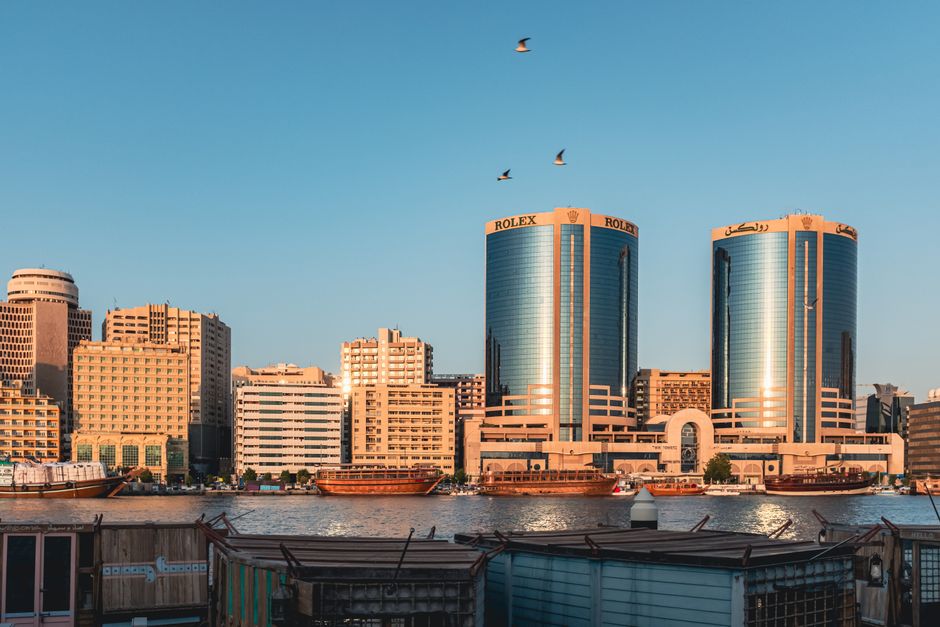
Photo credit: Pexels — Kirandeep Singh Walia
This article is general information, not legal or tax advice. UAE immigration procedures, document requirements, and processing times can change, and acceptance can vary by sponsor, emirate, and individual circumstances. Confirm requirements with the relevant authorities or qualified advisors before acting.