



UAE Residency Visa in 2026: A Route Filter and Document Triage Plan
A practical 2026 UAE residency visa plan that starts with choosing the right route, then triaging documents to avoid rework at medical, Emirates ID, and family sponsorship stages.
Use your browser search or scroll to sections below.
9:40 a.m., Amer Center in Al Barsha. You’re at the counter with a folder that looked complete at home: passport copies, photos, marriage certificate, and a job offer.
The typing agent pauses and asks for an attested marriage certificate, a sponsor’s establishment card copy, and a clear entry stamp page. Your appointment is fine, but your sequence is not, and now everything else you wanted to do this week (bank, lease, school) slides to next week.
Start by filtering the visa route (before you book anything)
A practical route comparison: employment vs investor/founder vs Golden Visa
Most delays happen because people choose a route based on speed or status, then discover it does not match how they actually need to operate in Dubai (renting, banking, sponsoring family, or running a company). In 2026, the best route is often the one with the cleanest document chain, not the one that sounds most flexible.
Trade-off to think through: employment visas can be operationally simple because HR handles a lot, but your residency is tied to the employer. Investor/founder routes give control, but you inherit compliance and banking friction. Golden Visa can reduce renewal pressure, but eligibility evidence and document review can be heavier upfront.
- Employment visa: fits people joining an established UAE employer and prioritising a straightforward process; watch probation/offer changes that can pause onboarding
- Investor/founder visa: fits founders needing control and family sponsorship stability; plan for bank KYC and company admin (licence, PRO, accounting)
- Golden Visa: fits eligible professionals/investors who want longer-term stability; plan for a slower evidence-gathering phase and possible extra attestations
Decision criteria that actually affect timelines
Ask three questions before committing: who is the sponsor, what address proof can you produce early, and how will you pass bank compliance in the first 60–90 days. These three shape your ability to sign a lease (housing), open accounts (company and personal), and later prove substance for tax questions (tax).
- Sponsor control: employer vs your own entity vs long-term residency
- Family plan: will you sponsor spouse/children soon, and can you supply attested civil documents
- Housing plan: can you secure a tenancy contract/Ejari quickly, or will you rely on temporary accommodation longer
- Banking/KYC: can you document source of funds, income, and business activity without back-and-forth
- Travel reality: frequent travel can disrupt medical/EID appointments and entry/exit records you may later need for tax residency proof
What to prepare before you arrive (the pack that prevents rework)
Document triage: what to legalise/attest and what to keep flexible
If you arrive without the right attestations, you can still fix it, but you will burn time shipping documents, chasing stamps, and rescheduling steps. For families, attestation is the single most common avoidable blocker.
Keep originals clean and consistent. Small mismatches (name order, initials, different passport numbers on older certificates) are a quiet source of rejection or extra declarations.
- Passport: 6+ months validity, clear scan of photo page and entry stamp page
- Birth and marriage certificates for dependents: plan for attestation/legalisation as required by your use case
- Education/professional certificates: only if your role/visa category needs them; confirm before you legalise expensive documents
- Passport photos: meet UAE size/background requirements; bring extra
- Home-country address and tax IDs: helpful for bank KYC and future tax residency questions
- A simple “name consistency” sheet: full name spelling across passport, certificates, and any prior passports
Before-you-fly checklist for the first 10 days
Your goal is to avoid getting stuck between stages. Many people book viewings, school tours, and bank meetings before they can actually produce the IDs or tenancy documents those organisations will request.
- Confirm which emirate and authority your process will run through (Dubai vs other emirates), and who is doing PRO/typing
- Get digital copies of every document in one folder plus a printed set
- Plan an arrival window that allows medical and biometrics appointments without travel in the middle
- If moving with kids, request school document requirements early (transfer letters, reports, immunisation records) even before visas are final
- Set expectations on housing: many landlords/agents will ask for Emirates ID and sometimes a UAE chequebook, so have a temporary housing plan
The real sequence from entry to Emirates ID (and where it stalls)
Typical steps and realistic timing ranges
Exact timelines move with public holidays, appointment availability, and how clean your documents are. Treat the process as a chain: if one link slips, everything after it shifts.
In Dubai, you will usually pass through entry/permit status, medical fitness testing, biometrics, and then Emirates ID issuance, with residency stamping/record updates depending on the current process and your visa route.
- Entry/permit and status: may be same-day to a few days depending on route and whether you need change-of-status
- Medical fitness: often quick to book, but results can take longer during peak periods
- Biometrics: appointment availability varies; rescheduling can add a week or more
- Emirates ID: issuance/delivery timing varies; keep proof of application for banks and HR
Common failure points you can catch early
Most “mystery delays” are predictable: a missing attestation, a document that cannot be matched to the applicant, or a sponsor/company record that is not ready. Fixing these after you start can mean repeating typing or reissuing forms.
- Attestation gaps for spouse/children documents (family sponsorship later becomes the bottleneck)
- Passport scan issues: cut-off MRZ line, missing entry stamp page, or low-resolution copies
- Role/qualification mismatch: job title on application triggers extra review for certain regulated roles
- Sponsor paperwork not ready: licence, establishment details, or signatory authority documents for company-sponsored routes
- Medical/bio appointment no-shows due to travel or wrong contact number on file
How visas interact with family sponsorship and renting a home
Family sponsorship: plan it as a second project, not an add-on
Families often assume dependents can be processed immediately once the main applicant enters. In practice, the dependent file is where attestations, translations, and name consistency matter most, and it’s also where school deadlines and travel plans collide.
Mini-case: A parent on an employment visa received their Emirates ID quickly, then started dependent sponsorship two weeks before school admissions. The marriage certificate was not attested and the child’s birth certificate had a different surname format. The result was a scramble for attestations and a delayed school start, even though the main visa was fine.
- Prepare: attested marriage certificate, attested birth certificates, and clear passport copies for each dependent
- Check: name formats (including middle names) and whether any documents show prior passports
- Timing: align dependent entry dates with your ability to attend medical/biometrics
- School angle (family): keep digital copies ready for admissions teams while visas process
Renting (housing) while your visa is in progress: what’s realistic
Some landlords and agents will proceed with a lease on passport and visa application proof, but others will insist on Emirates ID and a UAE chequebook. Even when you can sign, utilities and Ejari registration are where missing documents surface.
If your housing plan is essential for bank KYC and later tax residency proof, prioritise a path that gets you a formal tenancy contract/Ejari as early as you can. If not, accept that temporary accommodation may be the least stressful option for the first month.
- Ask upfront: do you need Emirates ID to sign, register Ejari, and activate DEWA
- Keep cash-flow flexible: deposits and agency fees vary; payment methods also vary by landlord
- Document order: visa/EID progress affects banking; banking affects cheques; cheques affect leasing
Don’t ignore bank KYC and tax residency proof while you do visas
Bank KYC: what banks commonly ask for once you have an Emirates ID
People often treat the visa as the finish line, then hit a second wall at the bank. Banks may ask for source of funds, employment letters, contracts, invoices, and proof of address. If you are a founder, they may also ask about business model, counterparties, and expected volumes.
This is where company setup choices (company) and tenancy documents (housing) become practical dependencies, not abstract planning topics.
- Personal: salary certificate or employment letter, proof of address (Ejari or equivalent), bank statements from home country
- Founder/company: trade licence, shareholder/ownership documents, contracts/invoices, explanation of source of funds
- General: consistent phone/email, clear passport history if you have multiple citizenships or prior residencies
Tax residency (tax): build the evidence file from week one
Even if you are not applying for a Tax Residency Certificate immediately, you will be asked for “proof you moved” by someone: a home-country bank, a tax adviser, or a compliance team. Start collecting evidence while it’s easy.
Keep a simple folder: entry/exit records, Emirates ID application proofs, tenancy/Ejari, utility bills, school letters, and employment or company documents. These are the same documents that reduce friction across visas, housing, and banking.
- Track: travel days and retain boarding passes when available
- Store: lease/Ejari, DEWA bills, and any official letters tied to your UAE address
- Keep: employment contract/pay slips or company invoices and accounting records
- Avoid: relying on screenshots only; download PDFs where possible
Next steps
- Pick your visa route using sponsor control, housing plan, and bank KYC readiness as the deciding criteria.
- Build a pre-arrival folder with attestations for dependents and high-quality scans of passport and civil documents.
- Map your first 10 days around medical and biometrics availability, then schedule housing and school tasks around those fixed appointments.
FAQ
Can I rent a long-term apartment in Dubai before I have an Emirates ID?
Sometimes, yes, but it depends on the landlord, agent, and building management. Many will ask for Emirates ID and a UAE chequebook, especially for a standard 12-month lease. If you plan to rent immediately, ask in writing what they require for signing, Ejari registration, and DEWA activation, and keep a temporary housing fallback so your visa appointments are not pressured by move-in dates.
What document causes the most family visa delays?
Unattested marriage and birth certificates are the most common avoidable blockers. The second is name inconsistency across documents (different surname formats, missing middle names, or older passport numbers). Treat dependent sponsorship as its own checklist and confirm attestation requirements early.
How long does the UAE residency visa process take from arrival to Emirates ID?
It varies by route, emirate, appointment availability, and how clean your file is. A smooth case can move quickly, but delays commonly come from rescheduling biometrics, missing sponsor paperwork, or document corrections. Plan your first few weeks so you are not travelling mid-process.
Do I need a UAE bank account before I can complete my residency visa?
Usually, no, the visa process itself does not require you to already have a UAE account. In real life, banking becomes important right after because it affects rent payments, cheques, and sometimes salary processing. Prepare bank KYC documents in parallel so you are not stuck with an Emirates ID but no way to set up normal payments.
If I change jobs, do I need to cancel my old visa before starting the new one?
Often there is a cancellation or transfer step tied to your current sponsor, but the exact sequence depends on your visa type and current status. The practical risk is timing: cancellation can affect your ability to sign leases, sponsor dependents, or travel. Confirm the timeline and what documents you will receive as proof during the transition.
Can I sponsor my spouse and children immediately after I get my Emirates ID?
In many cases you can start soon after, but “immediately” only works if the dependent file is ready: attestations, passport copies, and consistent names. If school start dates are involved, begin document prep before you arrive and do not assume you can fix attestations in a few days.
What should I keep for future tax residency questions while I’m doing my visa?
Keep a simple evidence file from day one: entry/exit records, Emirates ID and visa application receipts, tenancy/Ejari, DEWA bills, school letters, and employment or company records. These documents help for tax residency claims and also reduce bank compliance back-and-forth.
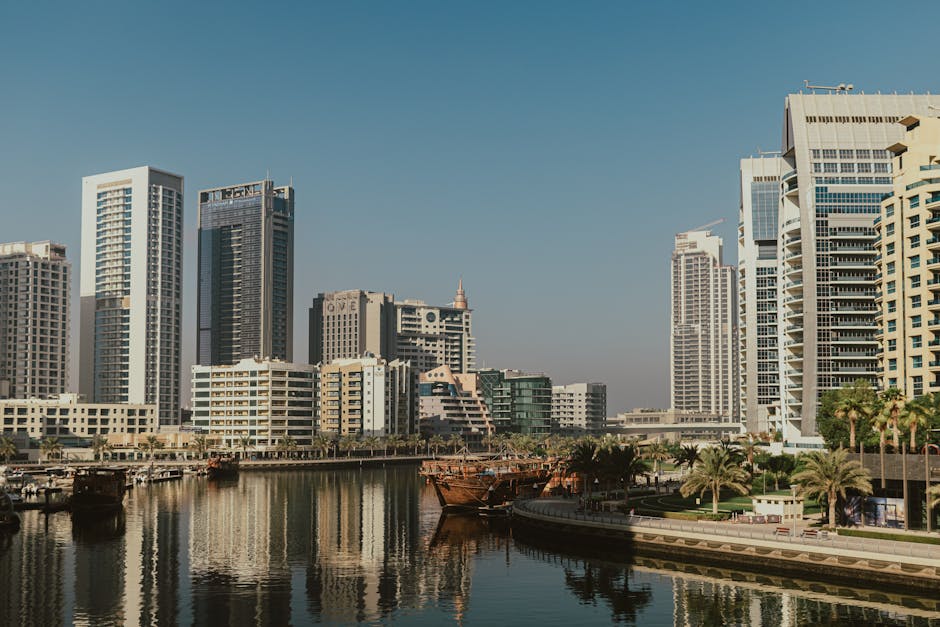
Photo credit: Pexels — Kate Trysh
This article is general information, not legal or tax advice. Visa requirements, document rules, and processing steps can change by emirate and individual circumstances; confirm current requirements with the relevant UAE authority or a qualified PRO/adviser.