



Renting in Dubai in 2026: A reality-based plan for housing, paperwork, and timing
A practical guide to renting in Dubai in 2026: how to choose areas, avoid common lease pitfalls, align housing with visa timelines, and prepare the documents landlords and banks actually ask for.
Use your browser search or scroll to sections below.
09:15: You meet the agent in JLT for a handover inspection. The AC is loud, one bedroom window doesn’t lock properly, and the agent asks for the first rent cheque today or the landlord will “move on”.
13:40: At a nearby bank branch, you’re told your account opening is “pending compliance”, which matters because the landlord prefers cheques from a local account. You still don’t have your Emirates ID because your residence visa medical is booked for next week via your employer’s PRO team.
Choose a home that matches your admin reality (not your Instagram map)
Area choice: commute, parking, and what you’ll actually use
In Dubai, the “right” neighborhood is often the one that keeps your weekday friction low. Commute time, parking, and building management quality usually matter more than the view.
If you’re arriving on an employment visa, your first 30–45 days can be admin-heavy. Try not to pick a building that makes simple tasks harder (visitor parking, security rules, elevator delays, maintenance response).
- Check commute both ways at your real hours (traffic patterns can flip).
- Ask about parking allocation, guest parking, and access cards for deliveries.
- Look up building maintenance reputation and average AC issues (especially older towers).
- If you have kids, test the school run route, not just distance.
- If you’re setting up a company, check whether your free zone/office commute is realistic week-to-week.
Trade-off: move-in-ready furnished vs unfurnished long lease
A common 2026 relocation pattern is to start furnished for speed, then switch once visas, bank accounts, and routines are stable. The trade-off is cost and flexibility.
- Furnished fits: first 1–3 months, uncertain office location, waiting on Emirates ID, families still deciding on schools.
- Furnished downsides: higher rent, variable furniture quality, inventory disputes at move-out.
- Unfurnished fits: stable job/office, you know your school zone, you can commit to a longer lease.
- Unfurnished downsides: upfront spend on appliances/furniture, more time coordinating deliveries and maintenance.
Mini-case: the “cheque today” pressure that backfired
A couple relocating from the UK agreed to a quick move-in because the agent insisted the unit would be gone by evening. They paid a holding amount, then discovered the landlord wouldn’t proceed without a local chequebook and a higher security deposit due to “new-to-UAE profile”.
They lost ten days switching to a different unit where the landlord accepted an interim payment method while the bank account was pending.
- If someone pressures same-day payment, slow down and insist on written terms.
- Ask explicitly: what payment methods are accepted before you commit.
- Confirm move-in date is tied to signed contract, not promises.
The paperwork chain: tenancy contract, Ejari, DEWA, and what breaks first
The basic sequence (and where delays happen)
Renting is rarely just “sign and move in”. Your tenancy contract, Ejari registration, and utilities (DEWA) tend to be linked, and one missing document can stall the next step.
Timing often depends on your visa stage. Some landlords accept a passport and entry stamp; others want Emirates ID. If your visa is still in progress, plan for back-and-forth.
- Tenancy contract: agree terms, payments, and move-in conditions in writing.
- Ejari: required for many admin steps (and often for utilities and renewals).
- DEWA: utilities activation usually needs tenancy details and IDs.
- Internet: may require Ejari/tenancy documents depending on provider and package.
Common failure points that waste a week
Most problems are boring: name mismatches, missing annexes, unclear payment terms, or a landlord who delays signing after you’ve already started arranging movers.
If you’re new to the UAE, you can also hit banking friction. A landlord may want cheques from a local bank account, but banks may require Emirates ID and proof of address, which you only get after renting.
- Passport name format doesn’t match the contract (middle names cause issues).
- Unit number/building name inconsistencies between contract and title documents.
- No written inventory list for furnished units.
- Cheque schedule not aligned with your salary date or bank account readiness.
- Landlord refuses maintenance responsibilities unless you negotiate specific clauses.
Decision criteria: when to accept a unit before Emirates ID
Sometimes you can’t wait for Emirates ID, especially if you have a school start date or a job start date. The key is to choose a landlord/agent who is comfortable with a staged document process.
If your visa route is through a company you’re setting up, your timeline can be less predictable because establishment card, immigration file, and bank KYC can stretch. In that case, be conservative with lease commitments.
- Proceed early if: landlord accepts passport + entry status, move-in conditions are written, and you have a clear visa timeline via employer PRO.
- Wait if: landlord insists on local cheques only, refuses to sign until Emirates ID, or the contract clauses are vague on maintenance and penalties.
- If you’re a founder: align lease start with company setup milestones and avoid penalties tied to uncertain dates (see https://svan.ae/en/company).
Lease clauses that matter in real life (and the questions to ask)
Maintenance, AC, and what “wear and tear” means in practice
Many disputes come down to maintenance responsibility and response time. If a chiller/AC issue hits in summer, you don’t want to be debating definitions while you’re paying full rent.
Don’t rely on verbal assurances. Ask for the clause or add an addendum, especially for older buildings or furnished apartments.
- Who pays for AC repairs and what is the spending threshold before landlord approval is needed.
- Response time expectations for urgent issues (water leaks, AC failure).
- Furnished inventory list with photos and condition notes at handover.
- Pest control responsibility and frequency.
Early exit, renewals, and rent increase mechanics
People often assume they can exit a lease like they would elsewhere. In Dubai, early exit is typically negotiated rather than automatic, and penalties can be meaningful.
Renewal discussions also go smoother when notice periods and rent adjustment rules are clear upfront. If you’re moving with a family, align renewal timing with school calendar pressure (see https://svan.ae/en/family).
- Early termination: penalty amount, notice period, and whether replacement tenant is allowed.
- Renewal notice: how many days before expiry, and what happens if either party is late.
- Rent increase: what reference is used and who provides documentation.
- Grace period for late payment and what triggers fees.
Payments: cheques, transfers, and the bank compliance bottleneck
Landlords often prefer cheques, but your bank may take time to issue a chequebook, especially if compliance asks for extra proof of income or source of funds. This is common for new arrivals, remote workers, and founders.
If your residency is in progress, your banking steps might be constrained by visa milestones (see https://svan.ae/en/visas).
- Ask the landlord: will you accept bank transfer or manager’s cheque temporarily.
- Confirm whether post-dated cheques must be from your personal account or can be from a spouse.
- Plan for KYC questions if you have overseas income, dividends, or crypto history.
- Keep a simple source-of-funds file ready (payslips, contracts, invoices) to reduce back-and-forth.
What to prepare before you arrive (so you can rent faster)
Document pack you can build at home
A surprising amount of rental progress is blocked by missing PDFs. You don’t need every document for every landlord, but having a clean pack prevents repeated delays and helps with bank onboarding too.
If you’re relocating from a country with frequent document notarization, keep both originals and clear scans. Some cases require attestations depending on the use case (especially family and visa-related files).
- Passport scan (photo page) and recent entry status if available.
- Employment contract or offer letter with salary details, or company ownership proof if self-employed.
- Last 3–6 months bank statements (personal and/or business, as applicable).
- Reference letter from previous landlord (optional, but occasionally helpful).
- Marriage certificate and children’s birth certificates if family housing is tied to sponsorship planning.
Budget reality: upfront costs and what changes them
Upfront rental costs vary by building, payment frequency, and whether you need to furnish. Fees can also change based on service provider requirements and whether you use premium processing.
Treat any “all-in” number you hear as a rough estimate until you see the payment schedule, deposits, and utility activation steps.
- Expect deposits and first payment timing to depend on landlord policy and payment method.
- Furnished units often require clearer inventory terms to avoid deposit disputes.
- Utility and internet activation may involve deposits and document checks.
- If you’re building tax residency evidence later, keep proof-of-address and tenancy paperwork organized (see https://svan.ae/en/tax).
Your first 60 days: a simple operating plan that reduces surprises
Week-by-week priorities (housing aligned with visa and banking)
Your housing timeline is tied to your residency timeline more than most people expect. If your Emirates ID is pending, assume some steps will require alternative documents or extra approvals.
If you keep your paperwork consistent across tenancy, bank, and visa files, you reduce the chance of name and address mismatches.
- Weeks 1–2: short-term stay, view units, confirm payment method options, draft contract terms in writing.
- Weeks 2–4: sign tenancy, register Ejari, activate DEWA, start bank account/chequebook process if not already done.
- Weeks 4–8: finalize visa/EID steps, update bank records with proof of address, lock in longer-term schooling/commute routines.
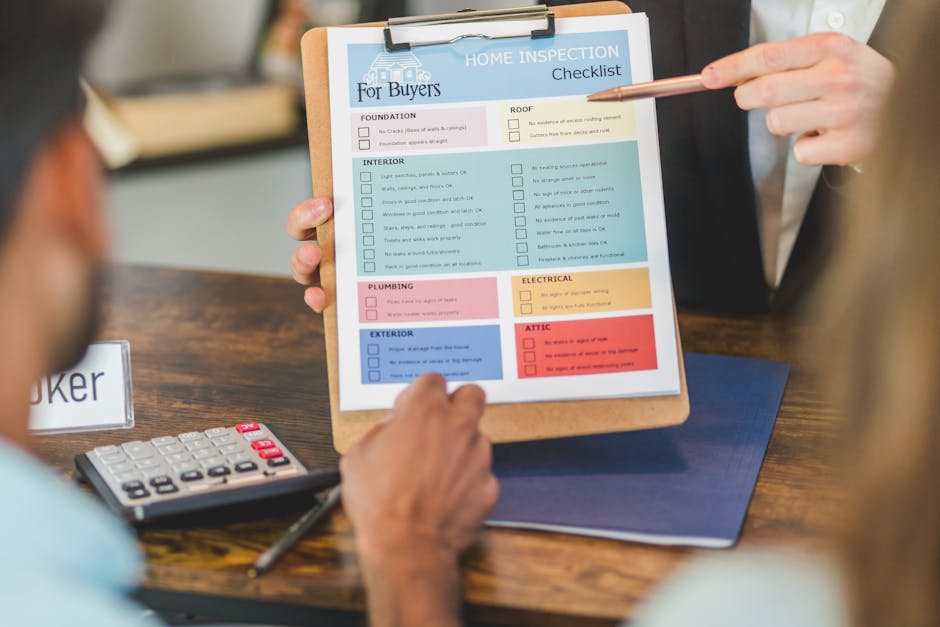
Inspection checklist for handover day
Handover is where small issues become expensive arguments later. Don’t rush it because the agent is waiting in the lobby.
Take photos and short videos, then email them to the agent/landlord the same day so there’s a dated record.
- AC cooling test in each room, plus thermostat response.
- Water pressure, hot water, visible leaks under sinks.
- Windows/doors lock properly, balcony door seals.
- Appliances (if furnished): serial numbers, working condition, dents/scratches.
- Chiller/maintenance account status and any pending building fees.
If something goes wrong: a practical escalation path
Not every problem needs a fight, but you do need a paper trail. Keep communication factual and written, and separate urgent safety issues from cosmetic fixes.
If you’re stuck because your visa or banking status prevents the agreed payment method, propose a written interim solution rather than hoping the landlord will wait.
- Write a single email summarizing the issue, dates, and what you’re requesting.
- Attach photos/video and reference the contract clause where possible.
- Offer two options (for example: temporary manager’s cheque now, chequebook in 10–14 days).
- Avoid making irreversible payments without a countersigned contract and receipts.
Next steps
- Build your pre-arrival rental document pack (PDF scans + a one-page income summary).
- Shortlist 2–3 neighborhoods using commute and building-management checks, not just rent.
- Before paying anything, get written confirmation of payment method, move-in date, and maintenance responsibilities.
FAQ
Can I rent an apartment in Dubai before I get my Emirates ID?
Sometimes, yes, but it depends on the landlord, building, and payment method. Some landlords will proceed with passport and entry status, while others require Emirates ID for the contract or Ejari-related steps. If your bank account and chequebook are also pending, confirm accepted payment alternatives in writing before you pay any holding amount.
What documents do landlords usually ask for in 2026?
Common requests include passport copy, visa/entry status, and proof of income (offer letter, employment contract, or bank statements). If you’re self-employed, you may be asked for company documents and invoices. Requests vary by landlord risk tolerance, building rules, and how you plan to pay rent.
What is Ejari and why does it matter for new arrivals?
Ejari is the tenancy registration that many admin processes rely on, including utilities and proof of address workflows. Without it, you may find it harder to activate services or satisfy bank requests for address verification. The practical issue is sequencing: if one document is delayed, the next step can stall.
My landlord wants cheques but my bank account is still under compliance review. What can I do?
First, ask the landlord whether an interim method is acceptable, such as a bank transfer or manager’s cheque, with a written commitment to provide post-dated cheques once issued. Not all landlords will accept this, but many will if terms are clear. Also keep a tidy KYC file ready for the bank: employment contract, payslips or invoices, and bank statements. Delays often come from incomplete source-of-funds explanations rather than a single missing form.
How do early termination penalties usually work?
Early termination is often governed by a specific clause in your contract, typically involving a notice period and a penalty (for example, a number of weeks or months of rent). There isn’t one universal rule across all leases. If your visa or job situation is uncertain, negotiate early-exit terms before signing rather than trying to fix it later.
We’re moving with children. Should we rent near schools first or commute and upgrade later?
If you have a fixed school placement, renting within the likely school zone can reduce daily stress and transport complexity. If school placement is still uncertain, a shorter initial stay (or a flexible lease) can be safer while you confirm admissions and routines. A practical compromise is a furnished unit for the first couple of months, then an unfurnished longer lease once school and visa steps are stable.
Do I need tenancy documents for tax residency proof later?
Often, tenancy documents and proof of address help support your overall residency and presence narrative, especially when combined with entry/exit records and local banking evidence. Requirements depend on the country and the specific certificate or proof you’re trying to obtain. If tax residency matters for you, keep a single folder with signed tenancy contract, Ejari confirmation, and utility bills as they become available.
Photo credit: Pexels — RDNE Stock project
This article is general information, not legal, financial, or immigration advice. Rental practices, required documents, and timelines vary by emirate, building, landlord, and your visa/banking status. Always verify current requirements and contract terms before committing.