



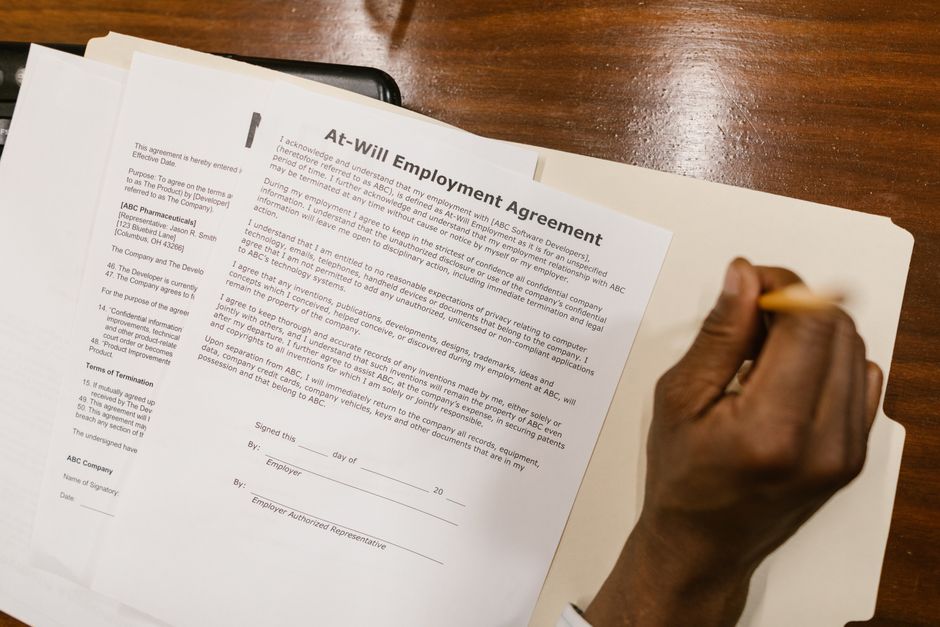
Moving to Dubai With Kids: A School-First Relocation Plan That Survives Paperwork
A practical, school-first plan for relocating to Dubai with children, including the document chain, visa dependencies, housing realities, and the proof you should build as you settle.
Use your browser search or scroll to sections below.
WhatsApp, 9:12 pm. You: “School wants the child’s Emirates ID number to confirm the seat. We don’t have it yet.” School admissions: “We can hold the offer for 72 hours. Please share visa status update and previous school reports.” That’s the normal friction point for families: schools, visas, and housing each want proof that the other two are already done. This guide is a school-first relocation plan that accepts the dependencies and shows you how to keep the admin moving without betting everything on a perfect timeline.
Start with the school constraints, not the visa
What schools typically ask for (and what they mean by “complete”)
Dubai schools vary, but many follow the same pattern: they can assess and offer a place with documents, then they need residency progress to finalize enrollment. The key is to separate what you need for an offer versus what you need for a start date. If you wait for Emirates IDs before you apply, you can lose weeks.
- For assessment/offer: passports, child’s previous reports, transfer certificate if applicable, vaccination record, parent IDs (passport usually sufficient at this stage)
- For final registration: proof of UAE residency progress (entry stamp, visa application, or Emirates ID depending on the school), payment schedule, and sometimes a local contact number
- Operational reality: admissions teams will give conditional acceptance but may not hold places long in busy intake periods
Decision criteria: picking a school when you do not have a fixed address yet
Families often try to lock housing first, then discover the commute is not workable with school hours and traffic. If you are still searching for housing, treat school location as the anchor and choose your housing radius around it.
- Commute tolerance: 20–30 minutes one way is very different from 45–60 minutes in peak traffic
- Sibling placement: ask whether the school can confirm seats for all children, not just one
- Start-date flexibility: some schools allow a later start; others require a hard start date after payment
- Document policy: confirm what they accept before Emirates IDs are issued
- Payment structure: deposit deadlines, refund terms, and whether they allow staged payments
Common failure points that cause lost seats
Most “we lost the place” stories come from a documentation gap, not academic issues. Avoid promising dates you cannot control. Instead, show the school a clear admin timeline and provide what you can immediately.
- Not having previous school reports in the requested format or language, then scrambling for attestation
- Transfer certificate delays from the prior school or education authority
- Using a parent name spelling that does not match the passport across forms and invoices
- Missing a deposit deadline while waiting for visa steps to complete
- Assuming the child can start on a visit entry without confirming the school’s policy
Visa sequencing for families: what actually blocks what
Sponsor routes and who they fit (trade-off comparison)
For families, the sponsor choice is usually the hidden driver of timeline and paperwork. Two common setups are employer-sponsored residency and self-sponsored residency (such as via a company setup or other eligibility routes). A vs B is not about status, it’s about control and admin load.
- Employer-sponsored: fits employees who want less admin and have HR support; trade-off is you depend on company timing, role changes can trigger cancellation and re-issuance
- Self-sponsored via company: fits founders/consultants who want control; trade-off is more compliance, bank/KYC friction, and you must maintain the company properly
- Either route: dependents typically require sponsor residency first, then dependent entry/medical/Emirates ID steps
The dependency chain (simple version you can plan around)
You can plan your first month by identifying the hard dependencies and booking what you can in parallel. In practice, delays happen in medical appointments, biometrics slots, or back-and-forth on documents.
- Sponsor residency in progress or issued (often the gate for dependent applications)
- Dependent entry status aligned (inside-country status change vs entry on a new permit depends on route)
- Medical and biometrics appointments (timing varies by emirate and season)
- Emirates ID issued (often requested by schools and banks, but some will accept interim proof)
- Health insurance arranged (mandatory in some emirates and commonly required by employers and schools)
Mini-case: the “seat confirmed, but no Emirates ID yet” outcome
A family secured conditional acceptance for two children but the school required an Emirates ID number for final registration. The sponsor visa was delayed because the employer’s PRO requested an additional attested marriage certificate after the initial submission. They kept the seats by sharing the visa application receipt, paying the deposit on time, and agreeing a later start date in writing. They still lost a week because the dependent medical appointments had to be rebooked after a status-change date moved.
- Ask the school which interim proofs they accept before you pay deposits
- Keep a single folder of receipts: entry permit, visa application, medical booking, biometrics confirmation
- Assume one rebooking will happen and avoid committing to an immovable start date
Housing choices that won’t collide with school and admin
Lease reality check: what landlords may ask a new arrival for
Housing is where families feel the most “local practice” shock: upfront payments, documentation, and the need for quick decisions. Your ability to sign and register a lease can affect school logistics and, later, the proof you may need for banking and tax residency.
- Payment method expectations (often post-dated cheques; alternatives depend on landlord and market)
- Passport and visa copies for all adult tenants; sometimes Emirates ID if already issued
- Security deposit and agency fee timing
- Tenancy contract details needed for Ejari registration (Dubai) or local equivalent
- Move-in readiness: inventory, AC issues, and who pays for minor repairs
Ejari and utilities: why your “address proof” can lag your move-in
Families often assume they can use the signed contract as address proof immediately. In Dubai, many processes prefer Ejari and a utility account (DEWA) as stronger evidence. If the landlord or agent delays documents, your downstream admin slows too.
- Confirm who files Ejari and when you will receive the Ejari certificate
- Check the title deed availability if required for registration steps
- Plan for a gap between keys handover and DEWA activation if documents are incomplete
- Keep digital copies of the signed contract, Ejari, and first utility bill once available
What to prepare before you arrive (housing + school version)
A small amount of preparation outside the UAE prevents the common “we’re here but stuck” week. Focus on documents that are slow to obtain or that may require attestation.
- Passports with sufficient validity for all family members
- Marriage certificate and birth certificates (consider whether attestation/legalization may be requested for dependent visas or school files)
- Last two years of school reports, and transfer certificate process started with the current school
- Vaccination records and any learning support documentation if relevant
- A shortlist of neighborhoods tied to school campuses, plus a temporary accommodation plan near that area
Build a “normal life” proof file as you settle (it helps later)
Why families get tripped up later: tax, banking, and renewals
Even if your primary goal is school and day-to-day stability, your paperwork trail matters. Banks may ask for source of funds and address proof, and tax authorities in other countries may ask what changed when you “moved.” This is not about chasing documents for their own sake. It is about keeping the evidence you naturally generate.
- Housing: Ejari/tenancy contract and utility bills
- School: invoices, attendance letters, and parent portal confirmations
- Residency: Emirates IDs, visa pages, and renewal receipts
- Day count support: flight records and a simple travel log
- Banking: payroll or business invoices, plus explanations that match your profile
If you are also setting up a company: keep KYC aligned with family life
Founders sometimes open a company to sponsor residency, then discover banking and compliance are the real bottlenecks. A bank will compare your stated activity, counterparties, and expected volumes with actual documents. If your company setup is part of the relocation plan, build a coherent file early rather than improvising under deadline.
- Company documents: license, shareholder/manager details, office/desk agreement if applicable
- Operating narrative: who your clients are, where they are based, and how money flows
- Invoices/contracts: a small set of real documents beats a long explanation
- Separation of finances: avoid mixing personal school fees and business expenses without clear accounting
- Renewal readiness: track license renewal dates so your visa chain does not get stressed later
A workable first-30-days checklist (with buffers)
Week 0–1: stabilize and unblock admissions
Your first week should aim for two outcomes: a predictable school path and a clear visa timeline. Do not try to finalize everything at once. Book appointments as soon as you can and collect receipts in one folder that you can forward when asked.
- Choose school(s) and complete assessment steps
- Start visa process for sponsor and confirm dependent sequence
- Gather and scan: passports, certificates, school records
- Shortlist housing near the school and book viewings
- Set up a local SIM and a shared family admin folder
Week 2–3: lock housing and convert it into usable proof
Once you sign a tenancy contract, push hard for the documents that turn it into actionable admin proof. This reduces friction later with schools, banks, and any residency evidence you may need.
- Sign lease with clear payment terms you can execute
- Register Ejari (Dubai) or local equivalent and keep the certificate
- Activate utilities and keep the first bill once issued
- Confirm school start date based on realistic visa progress
- If applicable: start bank onboarding only when you can support KYC questions
Week 4: close loops and plan renewals early
By week four, your goal is not perfection. It is to eliminate unknowns and have a renewal calendar. Families often relax once school starts, then get surprised by visa and lease renewal timing later.
- Track visa issuance dates and dependent renewal windows
- Keep a single list of document spellings (names, passport numbers) to prevent mismatches
- Save school invoices and confirmations for your records
- Create a quarterly “proof of life” checklist: housing, school, bank statements, travel log
- If you have a company: schedule compliance tasks and keep records tidy
Next steps
- Create one shared folder for passports, certificates, school records, and all visa/Ejari receipts.
- Pick 2–3 target schools and confirm their interim proof policy before paying deposits.
- Build a housing radius around the chosen campus and plan temporary accommodation in that area.
FAQ
Can my child start school before their Emirates ID is issued?
Sometimes, but it depends on the school and the emirate. Many schools will accept interim proof such as an entry permit, visa application receipt, or a stamped passport entry while the Emirates ID is in process. Ask the admissions team to confirm in writing what they accept for the first day of attendance, and what the final deadline is to provide the Emirates ID number.
Do I need an address (Ejari) before I can enroll my children?
Not always for the application and assessment stage, but an address can become important for final registration, bus routes, and sometimes for prioritization. In Dubai, Ejari plus a utility bill is also useful as general address proof for banking and other admin. If you do not have housing yet, apply to schools first, then pick housing within a realistic commute radius of the confirmed campus.
What documents most often delay a dependent visa for a spouse or children?
The usual delays are around civil status documents that need to match the UAE requirements: marriage certificate, birth certificates, and name spellings across passports and certificates. Even when attestation is not explicitly listed upfront, it can be requested during processing or by a PRO, so it is worth checking early what format and legalization is expected for your specific case.
We’re founders. Should we set up a company just to sponsor visas for the family?
It can work, but it changes your workload. A company route can give more control over timing, yet it adds compliance obligations and often increases bank KYC friction because you need to explain your business activity and money flows. If you choose this route, plan the company as a real operating setup, not only as a visa tool, and expect back-and-forth with banks.
How long should we budget for the full family admin chain after landing?
Timelines vary by route, season, and appointment availability. A practical approach is to budget a few weeks for the sponsor residency steps and then additional time for dependents, with buffer for rebookings. Build a plan that can survive delays: temporary accommodation near the school area, flexible start dates, and a document folder of interim proofs you can forward quickly.
Will a Dubai bank open an account if I only have a visa and no utility bill yet?
Sometimes, but many banks prefer stronger address proof and a clearer activity profile, especially for new arrivals and founders. Expect questions about source of funds, employment or business activity, and expected transaction volumes. If you are mid-move, it can be smoother to wait until you have Ejari and at least one utility bill, plus documents that match your income story.
If we want UAE tax residency later, what should we keep from day one?
Keep what a normal household naturally produces: tenancy contract, Ejari, utility bills, school invoices, Emirates ID copies, and a simple travel log. Even if you are not applying for anything immediately, having a clean file reduces stress if you later need to demonstrate where you live and how your center of life changed.
Photo credit: Pexels — RDNE Stock project
This article is general information, not legal, tax, or immigration advice. UAE procedures and document requirements can change, and outcomes depend on your nationality, emirate, sponsor route, and individual circumstances.