



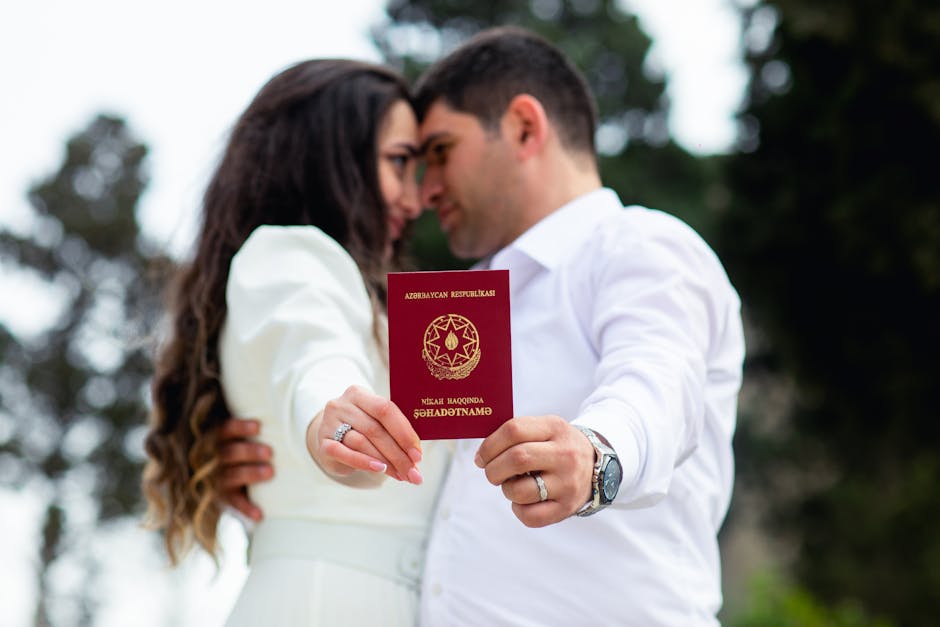
Moving to Dubai With Family in 2026: A Paperwork-to-Routine Plan
A friction-aware family relocation plan for Dubai in 2026, focused on documents, visa sequencing, housing timing, and the practical setup tasks that stall most moves.
Use your browser search or scroll to sections below.
08:10 — You’re at a Typing Center in Al Barsha with a folder that feels too thin. The counter staff asks for the marriage certificate attestation and your child’s birth certificate in the right format, not a photo, not a scan from your email.
14:30 — Your agent messages that the landlord wants a visa copy for the tenancy contract, but your Emirates ID is still “in process,” and the building won’t issue access cards without it. You can pay a deposit today, but you might not be able to move in this week.
What to prepare before you arrive (so you don’t lose weeks)
Your “attestation stack” and why it matters
For families, the biggest avoidable delay is document readiness. Dubai processes are fast when the paperwork chain is clean, and slow when you’re missing attestations or the names don’t match across passports and certificates.
Even when an employer or PRO handles the visa steps, family sponsorship and school admissions tend to push the burden back to you. Treat your documents as a project with dependencies, not as a suitcase item.
- Marriage certificate: get it attested to the level typically required for UAE use, and carry the original plus copies
- Child birth certificates: originals, plus attestations where applicable
- Passport copies for each family member: keep a single PDF per person that is clear and complete
- Name consistency check: compare spelling and order across passports, certificates, and prior visas; fix mismatches early if possible
- Education records if schooling is imminent: last two years’ reports, transfer/leave letter where common, and any special needs documentation you may need to disclose
Banking and KYC: what families overlook
Bank compliance checks are often the hidden schedule risk. If you need a local bank account quickly for rent cheques, school fees, or salary crediting, expect questions about income source, employer or company details, and prior residency history.
If you are also setting up a company, personal and business KYC can overlap in messy ways. A clean personal proof file helps, even when the bank conversation starts as “just a personal account.”
- Bring proof of address from your previous country (recent utility or bank statement), even if you expect to change it soon
- Keep salary proof (employment contract) or business ownership proof (license or incorporation docs) ready
- Prepare a short written source-of-funds summary you can reuse for bank forms
- If you will rely on a company you own for residency, expect deeper questions until the business is active and compliant
Pick the visa “anchor” first: work, founder, or spouse sponsorship
Trade-off: employment visa vs founder/investor route
Most family moves go smoother when the primary earner has an employment-based residency with a clear HR/PRO process. The founder route can be a good fit, but it adds sequencing problems: licensing, immigration file creation, and sometimes banking, all before the family paperwork becomes easy.
If your goal is speed and predictable steps, employment sponsorship often wins. If your goal is control and long-term flexibility, a founder route can make sense, but plan for more back-and-forth.
- Employment visa tends to fit: families prioritizing a fast start, salary-based affordability checks, and fewer moving parts
- Founder/investor route tends to fit: entrepreneurs who need independence from an employer and can tolerate longer admin timelines
- Both routes still require: medical, biometrics, Emirates ID steps, and clean family documents
Where family sponsorship usually stalls
Family sponsorship is rarely blocked by the headline “requirements” and more often by small inconsistencies: unreadable scans, missing attestations, wrong relationship proof, or salary documentation that does not match what the system expects.
Also, timing matters. Some steps are easier once the sponsor’s Emirates ID is issued and you have a stable UAE address, but waiting too long can collide with school deadlines or tenancy start dates.
- Marriage or birth certificate not attested, or attested but not accepted due to format or mismatch
- Sponsor documents not ready: Emirates ID pending, visa still under processing, or labor contract not issued yet
- Dependents’ passport validity too short for the requested visa duration
- Photos not meeting specifications, causing re-typing or resubmission at the center
Mini-case: the “rent first” plan that backfires
A couple arrived planning to rent immediately, then sponsor two children. The landlord asked for visa copies and a post-dated cheque book; the bank asked for Emirates ID; and the Emirates ID was delayed because the sponsor’s medical appointment slipped.
They ended up on a short-term rental for three extra weeks, paid an additional deposit, and had to rebook school assessments because the address was not stable.
- If your plan relies on cheques, confirm how you will pay rent before the bank account is live
- If school requires an Emirates ID or residency proof, align the visa timeline to the admissions timeline
- Have a fallback: serviced apartment budget and document plan for temporary address use
Housing timing in Dubai: align lease, Ejari, and move-in realities
Decision criteria: choose area and lease structure like a family, not a tourist
Housing decisions affect almost everything else: commute, school runs, ability to prove address, and even how smooth your bank onboarding is. The wrong lease terms can also trap you into penalties or unhelpful renewal clauses.
In practice, families often need an address quickly for admin, but rushing the lease can create bigger costs later. The best compromise is choosing a shortlist of buildings with predictable building management and reasonable move-in requirements.
- School run reality: time the route during drop-off hours before you commit
- Payment structure: number of cheques and the exact due dates
- Move-in dependencies: access cards, parking allocation, and building NOC practices
- Maintenance responsiveness: ask current tenants or review building management process
- Early termination and renewal clauses: get them in writing before signing
Common failure points in the lease-to-utilities chain
The lease is not the finish line. Families often discover that they can sign a contract but still cannot practically live in the unit due to building processes or utility activation delays.
Expect a chain: tenancy contract, Ejari registration, utilities (such as electricity/water), and any district cooling or building-specific registration. If any link is missing, you might be living out of boxes.
- Landlord asks for Emirates ID, but you only have entry permit or visa under process
- Ejari delays because of missing title deed copy, incorrect contract details, or landlord signature issues
- Utilities require Ejari, and move-in requires utilities, creating a timing loop
- Chiller or building access registration has separate steps not mentioned during viewing
School and daily life setup: schedule it like a project
A workable sequencing plan (especially if you arrive mid-year)
School admissions and relocation admin compete for the same weekdays. If you treat every task as urgent, you end up rescheduling medicals, missing assessment slots, and extending temporary housing.
Build a sequence with buffers. The goal is not perfection, it’s avoiding the traps that force you to redo steps.
- Week 1: sponsor visa steps, SIMs, and temporary housing extension decision point
- Week 2: school tours/assessments, finalize long-term housing shortlist, start bank account process if needed
- Week 3: sign lease only when you can realistically activate Ejari/utilities and meet move-in rules
- Week 4: stabilize routines, then process dependent sponsorship if not already completed
School documents and the “silent blockers”
Even when a school has a published list, what slows families is missing context: which documents need to be stamped, which can be digital, and what the school considers a valid proof of prior year completion.
If your child has learning support needs, plan disclosure carefully. Some schools require additional evaluation documents; others need time to confirm support capacity.
- Transfer/leave letter timing: some schools only issue it after final fees are settled
- Report cards with missing school stamp or unclear grading system
- Vaccination records format differences across countries
- Assessment scheduling clashes with visa medical/biometrics appointments
Money, compliance, and proof files: keep them tidy from day one
Your family “proof file” for banks, landlords, and future tax questions
Relocation paperwork doesn’t end once you move in. Banks may revisit KYC, landlords may request updated documents at renewal, and your home country may ask for evidence of where you actually lived and worked.
A simple habit helps: store every key document as a dated PDF and keep a timeline note. This reduces panic when someone asks for proof six months later.
- Residence visa and Emirates ID copies for each family member
- Ejari and tenancy contract plus payment receipts
- Utility bills (even if digital) as address evidence over time
- School invoices and attendance confirmations where relevant
- Entry/exit records and flight confirmations if you anticipate tax residency questions
If you’re also setting up a company, don’t mix personal and business admin
Families who relocate while launching a business often lose time because personal residency, housing, and school tasks get blocked by business steps like licensing, corporate bank account opening, and compliance.
It’s workable, but you need separate checklists and a clear “minimum viable setup” for the business so the family can settle.
- Define the business baseline: license issued, immigration file created, and a plan for invoicing and bookkeeping
- Avoid using business timelines as a reason to delay family essentials like housing stability and school placement
- Keep receipts and contracts organized from the start to reduce future compliance friction
Next steps
- Create a pre-arrival document list and mark which items need original copies and attestation
- Choose your visa anchor (employment, founder, or spouse sponsorship) and map it to housing and school deadlines
- Start a single shared “proof file” folder for visas, housing, banking, and school documents with dated PDFs
FAQ
Can I rent a long-term apartment in Dubai before my Emirates ID is issued?
Sometimes, but it depends on the landlord, building management, and how payment is handled. Some landlords accept a passport and entry permit while your visa is processing, while others insist on Emirates ID and a local cheque book. Even if you sign the lease, you may still face delays with Ejari registration or building access cards until your residency is active.
Do my marriage and birth certificates need attestation for family sponsorship?
In many cases, yes, and missing attestation is one of the most common reasons families have to pause and redo steps. What level of attestation is accepted can vary by document origin and the specific process used. The practical approach is to treat attestation as a pre-arrival task and carry originals, because getting it done after arrival can add weeks and extra courier back-and-forth.
What is the most common reason dependent visas get delayed?
Sequencing and mismatched documents. Delays often happen when the sponsor’s residency is not fully issued (Emirates ID still pending), when relationship documents are not attested or don’t match passport names, or when scans/photos fail the required format and need re-typing and resubmission.
How should we time school admissions if our visas are still in process?
Start the school process early, but avoid committing to non-refundable steps until you understand what the school needs as proof. Some schools will proceed with assessments and conditional offers while visas are processing, while others require Emirates ID or residency proof before final enrollment. Align your visa appointments with assessment dates, and keep a temporary housing plan so you can provide a consistent address when needed.
We’re moving as founders. Should we set up the company first or the family visas first?
It depends on what will be your visa anchor. If your residency depends on the company, you typically need the license and the initial immigration setup before you can progress. If one spouse has an employment visa available, that route often stabilizes the family faster while the company setup runs in parallel. The risk with company-first is that banking and compliance steps can stretch timelines and delay housing and school stability.
Do we need a UAE bank account immediately as a family?
Not always, but many families end up needing one sooner than expected. Rent is often structured around cheques, schools may have specific payment methods, and some employers require a local account for salary. Banks can take time due to KYC checks, so plan a bridge method for the first month or two and keep your proof documents organized.
If we want to prove tax residency later, what should we keep from our first months in Dubai?
Keep a clean evidence trail from day one. Typical items include tenancy and Ejari documents, utility bills over time, entry/exit history, and employment or business activity proof. Requirements vary by country and personal circumstances, so focus on creating a consistent timeline file rather than chasing a single document at the end.
Photo credit: Pexels — Photographer Sanan
This article is for general information and does not constitute legal, immigration, tax, or financial advice. Processes, document requirements, and timelines can change and vary by emirate, visa route, and individual circumstances.