



Dubai School Admissions for New Residents (2026): A Document‑First Plan That Avoids Lost Weeks
A practical, document-first approach to Dubai school admissions for relocating families in 2026, including what to prepare before arrival, common failure points, and how housing and visas affect your start date.
Use your browser search or scroll to sections below.
08:35 Monday: you are on hold with a school admissions office in Al Barsha, refreshing an email thread titled “Missing document.” The registrar is polite but firm: they can’t issue a confirmation letter until they see a stamped transfer certificate, and they can’t add your child to the class list without a deposit. 14:10: your PRO messages that your residence visa medical is booked for Thursday, so Emirates ID will follow later. 18:30: your agent asks for post-dated cheques to secure the apartment, but you still don’t have a local cheque book. This is what catches families off guard. Dubai school admissions are rarely a single form; they’re a chain that touches visas, housing (Ejari), and sometimes your tax and employment set-up. The easiest way to avoid losing weeks is to treat admissions like a document project with dependencies, not a “we’ll sort it after we land” task.
How admissions actually works (and where it stalls)
The three gates: documents, seat confirmation, and KHDA steps
Most schools will do a preliminary review while you are still abroad, but the final steps usually require original documents and a cleared payment. Even when a school is flexible on timing, their systems and regulator processes tend to be rigid. Think in three gates: (1) the school accepts your paperwork as valid, (2) you lock the seat (deposit and signed forms), (3) you complete any regulatory transfer or attestation requirements the school needs to finalize enrolment.
- Gate 1: document pack (identity + academic history + health/vaccinations where required)
- Gate 2: seat lock (deposit, signed parent contract, sometimes a student assessment)
- Gate 3: transfer/admin (leaving certificate, transfer certificate, KHDA-related steps depending on school and curriculum)
Common failure points schools rarely warn you about early
Admissions teams often give you a generic checklist, but the failure points are specific: a document is the wrong version, not stamped, or doesn’t match the child’s name formatting in passports. These issues don’t look big, but they create stop-start delays. If you want one rule that saves time: align names, dates, and grade/year terminology across every document before you upload anything.
- Transfer certificate issued but not stamped/signed by the previous school or authority (varies by country/curriculum)
- Report cards missing school letterhead, dates, or academic year labels
- Child’s name differs across documents (middle names, hyphens, spelling, order)
- Passport expiry too close to start date, forcing a renewal mid-process
- Vaccination record not translated or not in a format the school nurse accepts
- Deposit paid but not correctly referenced, so the seat is not marked as confirmed
Mini-case: the “we have the transfer certificate” problem
A family arrived in Dubai expecting their child to start in two weeks. They had the transfer certificate PDF from the old school, but it lacked the required stamp and the academic year was written as a term range. The new school accepted the application but would not finalize enrolment. It took ten days of back-and-forth with the old school, plus a courier delay, and the child started after the first assessments had already happened.
What to prepare before you arrive (the pack that prevents rework)
Core document checklist (build one folder per child)
Prepare a single “school admissions folder” per child, with clean scans and originals kept together. Schools differ, but the following set covers most first-round and final checks. If anything needs translation or attestation, do it as early as you can. Those steps can be simple in one country and slow in another.
- Child passport (scan + original) and UAE entry status/visa page when available
- Parent passports and residence visa pages when available
- Birth certificate (some schools request it even if not listed upfront)
- Latest 1–2 years of report cards (stamped/signed if your system uses that)
- Transfer certificate / leaving certificate for the current school year (where applicable)
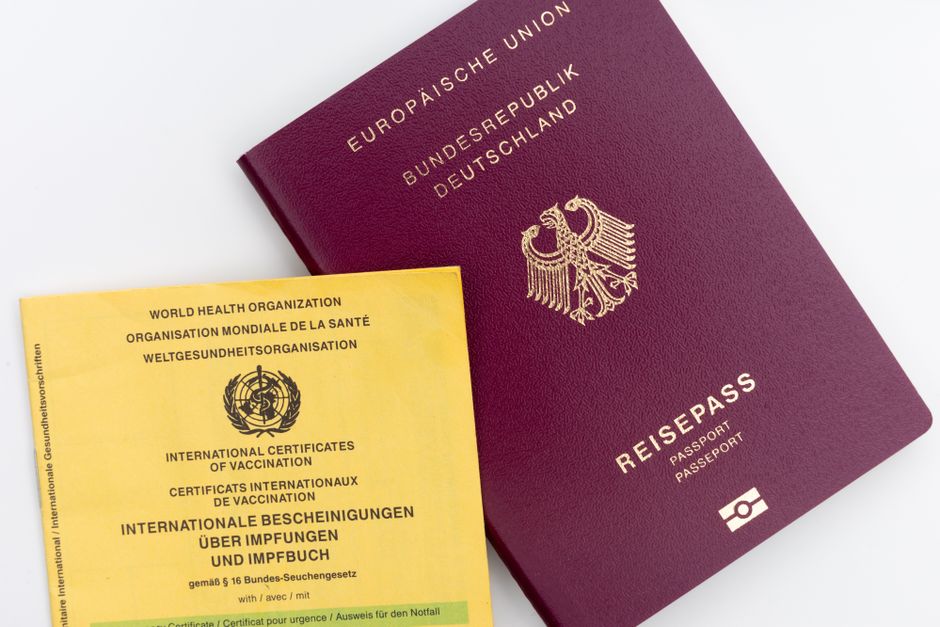
- Immunization/vaccination record (plus any allergy or medical notes)
- Passport-style photos (digital + a few printed copies)
- Previous school contact details for verification calls/emails
Name matching and formatting: do this once, properly
Dubai admissions systems often mirror passport names exactly. If your child’s school records use a shorter or different name, you can usually resolve it, but only if you catch it early. Create a one-page “name map” for each child that shows the passport name, the school record name, and the preferred spoken name. It sounds excessive until you are correcting three different forms and a payment receipt.
- Use passport spelling on all application forms unless the school explicitly requests otherwise
- If your child has multiple surnames, keep the order consistent everywhere
- Save one reference PDF that shows the correct spelling (passport bio page) and reuse it
Decision criteria: choose schools by logistics, not just curriculum
When you are new to the city, the biggest risk is underestimating commute and admin friction. A great school that is 45–60 minutes away in traffic can become a daily operational problem, especially if you’re also dealing with visa appointments and housing handovers. Make a short list using practical filters first, then do the educational comparison.
- Commute from realistic neighborhoods you can afford (not a hypothetical address)
- Start date flexibility and waitlist behavior (some hold seats briefly, others don’t)
- Document strictness (ask what causes the most rejections for overseas families)
- Sibling policy and whether it is guaranteed or “subject to availability”
- Fee schedule timing (termly/annually) and refund rules if your visa is delayed
The dependencies: visas, housing (Ejari), and timing reality
Visas: what schools typically ask for, and what they may accept temporarily
Some schools will proceed with an application on passports and entry status, but many will ask for residence visa and Emirates ID progress before the first day, especially for mid-year transfers. Build your plan around the idea that visa steps can slip. Medical appointments, biometrics, and stamping can take longer during peak seasons or when documents need extra verification. For visa route details and realistic timelines, keep your school plan aligned with your residency process. See https://svan.ae/en/visas.
- What often works early: passport copies, entry stamp/status, signed contracts, deposit proof
- What is often needed near start date: residence visa page and/or Emirates ID application/receipt
- Where it goes wrong: dependent visas not initiated early enough for the school’s deadline
Housing and Ejari: the address question that affects admissions
Many schools ask for a UAE address and may request proof such as Ejari (registered tenancy contract) or a utility account. Even if it’s not required for the initial application, it can become important for transport routing, emergency contacts, and final file completion. New arrivals often face a chicken-and-egg problem: landlords want cheques and sometimes a local bank account; banks want Emirates ID or visa progress; schools want an address. Plan your housing steps with this dependency in mind. For a grounded view of housing admin and common landlord requirements, see https://svan.ae/en/housing.
- If you rent: ask the school what address proof is acceptable before you sign a lease
- If you use temporary housing: confirm whether a hotel/serviced apartment address is acceptable for initial registration
- Keep digital copies of the signed tenancy contract and Ejari once issued
Trade-off: secure the school first vs secure the home first
Option A, school-first: you pay a deposit early to lock a seat, then choose housing around it. This suits families moving in peak intake periods or targeting a short list of schools. Option B, home-first: you finalize a neighborhood, then apply to schools within a practical commute. This suits families with younger children, families needing stability quickly, or anyone unsure about office location. Neither is universally “right.” The key is to pick one primary anchor, then accept the compromises instead of trying to keep every option open until the last minute.
- School-first fits: competitive grades, limited-seat schools, tight academic calendars
- Home-first fits: multiple children with different schedules, commute-sensitive households
- Risk to manage in both: refund terms if your visa or move-in date slips
Fees, payments, and compliance: the friction points families hit
Payments and proof of funds: what causes last-minute delays
Even when you can pay tuition from abroad, schools may require specific payment references, payer names that match parent records, or a UAE-based method for certain charges. Separately, if you are opening a local bank account, expect compliance questions about source of funds and employment or business activity. If you’re relocating as a founder or joining a UAE employer, align the story across HR letters, bank KYC, and school payer details. For business and employment set-up context, see https://svan.ae/en/company.
- Ask the school: accepted payment methods, payer name rules, and refund timelines
- Keep: payment receipts, bank transfer confirmations, and signed fee schedules
- Expect: bank KYC questions if you move larger amounts into the UAE early
Tax and residency admin: why it shows up in school logistics
School admissions are not a tax process, but your tax and residency admin can affect the practical steps around schooling: timing of your move, proof of where you live, and how you document your “center of life” if your home country asks questions later. If your relocation is partly driven by tax planning, keep a simple evidence file from day one (leases, utility accounts, flight logs, school enrolment letters). It reduces future scrambling. For a broader view of tax and compliance when moving to the UAE, see https://svan.ae/en/tax.
- Save: school acceptance letter, invoice, and attendance/start-date confirmation
- Save: lease/Ejari and utility connections that show actual living arrangements
- Avoid: claiming a clean tax break while the family and schooling stay primarily elsewhere
A realistic timeline you can run (without assuming everything goes on time)
Weeks -6 to -3: pre-arrival sprint
This is where you win or lose time. Focus on documents, shortlists, and getting clarity on what is non-negotiable for your target schools. If you can only do one thing: finalize the transfer certificate/leaving paperwork before you leave your current country.
- Request transfer/leaving certificate and confirm stamp/signature requirements
- Scan and label documents consistently (ChildName_Document_Year.pdf)
- Book school tours or video calls and ask what they reject most often
- Confirm deposit amounts and refund rules in writing
Weeks -2 to +2: arrival and dependency management
Once in Dubai, split your time between the visa workflow, housing, and finishing admissions. Plan for at least one re-visit: a missing signature, a photo spec issue, or a payment reference problem. Try not to schedule school assessments on the same days as medical or biometrics appointments. You will end up rescheduling one of them.
- Start visa steps immediately for the child/dependents if applicable
- Secure temporary address proof while you finalize housing
- Submit originals for verification as soon as the school allows
- Keep a single WhatsApp/email thread per child to reduce miscommunication
Weeks +3 to +6: stabilization (transport, routines, and paperwork closure)
After the first day of school, there is still admin: transport routes, uniforms, ID cards, and sometimes final document submissions. This is also when families discover their commute assumption was wrong. Use this period to close loops: file your receipts, store your confirmed documents, and make sure the school has the right emergency contacts and authorised pickup list.
- Confirm school transport timing and backup pickup plan
- Store final enrolment confirmation and fee receipts in your “proof file”
- Update school records once Emirates IDs are issued (if requested)
Next steps
- Request the transfer/leaving certificate now and confirm stamp/signature requirements in writing.
- Build one labelled admissions folder per child (scans + originals) and fix name mismatches before applying.
- Choose an anchor strategy (school-first or home-first) and map the visa and housing dependencies to a 6-week calendar.
FAQ
Can my child start school in Dubai while our residence visas are still in progress?
Sometimes, yes, but it depends on the school, the curriculum, and the timing in the academic year. Many schools will accept an application and even confirm a seat with passports and entry status, then set a deadline to provide residence visa/Emirates ID progress. Treat it as conditional until you have that deadline in writing.
What documents cause the most rejections for overseas transfers?
Transfer/leaving certificates and academic records cause the most avoidable stalls. The usual issues are missing stamps/signatures, unclear academic year labeling, and name mismatches with the passport. The fix is often simple, but it can take time because you’re dependent on the previous school or an authority in another country.
Do schools require Ejari or a tenancy contract to enrol?
Not always for the first stage, but many schools will ask for a UAE address and may request proof later. If you are still in temporary accommodation, ask what they accept (for example, a signed tenancy contract pending Ejari, or a serviced apartment letter). Get the answer by email so expectations do not change mid-process.
If we pay a deposit, is the seat guaranteed?
A deposit usually indicates the school intends to hold the seat, but it may still be subject to document completion and deadlines. Read the refund and forfeiture terms carefully, especially if your visa timeline is uncertain. Also confirm what happens if the start date moves by a few weeks.
We are relocating as a founder. Can the school fees be paid from the company account?
Some schools accept it, some prefer the payer to be a parent, and some require additional documentation if the payer is a business. Ask the school what name must appear on the transfer and what documents they need for their compliance records. Align it with your bank KYC approach so you do not have inconsistent explanations.
What should we keep as proof that our family actually moved to the UAE?
Keep a simple, consistent file: lease/Ejari, utility connections, school acceptance and attendance confirmations, and travel logs. This can matter later for home-country questions about where you lived, and it also helps with bank compliance reviews when your spending and transfers change after the move.
Photo credit: Pexels — Markus Winkler
This article is general information, not legal, immigration, tax, or education advice. School requirements and UAE processes can change and may differ by emirate, curriculum, and your family’s circumstances. Confirm current requirements directly with the school and relevant authorities before relying on them.