



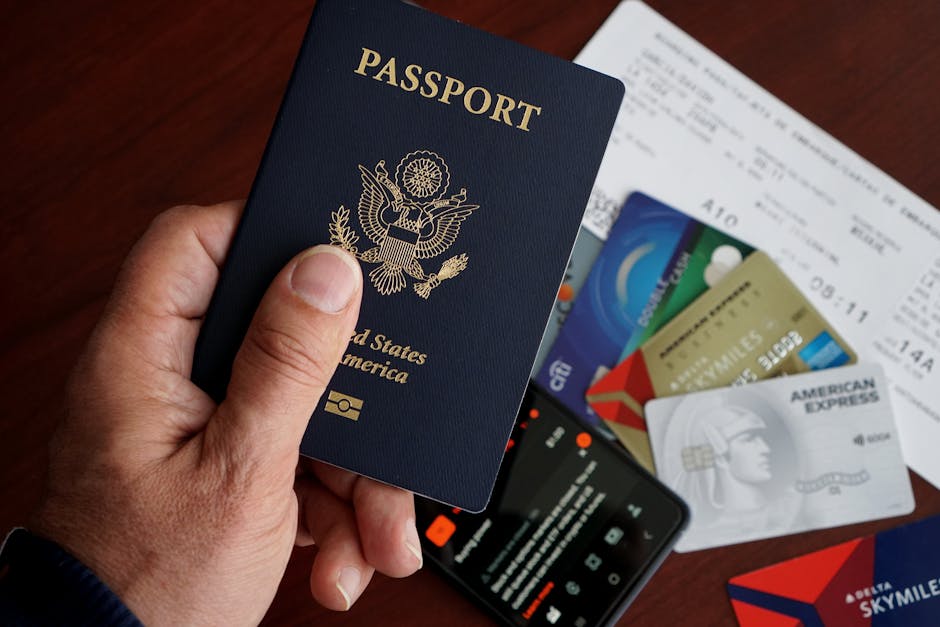
Dubai Residency in 2026: A Paperwork-First Plan That Avoids Rejections
A grounded 2026 guide to choosing a UAE residency route, assembling documents, and planning the first 30 days so housing, banking, and family sponsorship don’t stall your visa.
Use your browser search or scroll to sections below.
09:10 — You’re at an AMER centre with a folder that looked “complete” at home. The typing counter asks for your birth certificate attestation, then your name order doesn’t match your passport, and the system won’t accept the entry until it’s fixed.
14:30 — Medical fitness is done, but biometrics has no same-day slots. Your phone is full of reminders because your short-term stay ends soon and your landlord wants a residency visa before signing a 12‑month lease.
Pick a residency route by what you can prove (not what you prefer)
A simple decision test: sponsor type + evidence
In 2026, most delays happen because people start the process before they can prove eligibility cleanly. Start by choosing a route where your documents and facts are easy to evidence: employer sponsorship, self-sponsored pathways, or a company you own.
The “best” option is the one that survives document checks, bank compliance, and landlord requirements with minimal back-and-forth.
- Employment visa: strongest when you have an established employer who handles MOHRE/free zone steps and can issue compliant salary and role documents
- Investor/partner via your company: strongest when you can show real business activity, clear ownership, and a bankable story for KYC
- Property-linked residency: strongest when your title deed and payment trail are clean and you can handle renewals tied to property status
- Remote-work style residency: strongest when your income proof and employment contract are consistent and verifiable
Trade-off: employment sponsorship vs owning-company sponsorship
Employment sponsorship fits people who want speed and less admin, and who are comfortable with HR timelines and role constraints. Owning-company sponsorship fits founders and consultants who want control, but it shifts the burden to you: licensing, compliance, and bank scrutiny.
If you need to sponsor family quickly, either route can work, but your ability to produce salary/income evidence and a tenancy contract often becomes the gating item.
- Employment sponsorship: typically fewer moving parts for you, but dependent on HR/pro timelines and internal approvals
- Owning-company sponsorship: more control, but you must manage license setup, establishment cards, and ongoing compliance (and expect KYC questions from banks)
Common failure points at the “route selection” stage
A lot of rejections aren’t about eligibility, they’re about inconsistent paperwork. When systems and clerks see mismatches, they pause the file or ask for extra attestations.
Fixing issues mid-process can burn weeks because you’re coordinating home-country documents, translations, and UAE attestations while appointments and entry deadlines keep moving.
- Name format differs across passport, birth certificate, marriage certificate, and degree (order, spelling, or missing middle names)
- You can’t produce verifiable income proof that matches what you stated (bank statements vs payslips vs contract)
- You start dependent sponsorship before you have a tenancy/Ejari pathway lined up
- Your intended bank account opening depends on a visa type or salary that isn’t in place yet
What to prepare before you arrive (so the first month doesn’t unravel)
Document pack checklist (bring originals, scans, and backups)
Treat this like a compliance file, not travel paperwork. If you arrive with only scans and “I can get it later,” you usually end up paying for urgent couriers, last-minute attestations, or extra hotel nights while waiting.
Requirements vary by visa route and emirate, but these items frequently come up for residency and family sponsorship.
- Passport valid for a comfortable buffer, plus copy sets (colored scans are often requested)
- Passport photos meeting UAE specs (keep extras; some centres still ask for physical copies)
- Birth certificate and marriage certificate (originals, plus attested versions if you’ll sponsor family)
- Highest education certificate if your role or visa category relies on it (attestation may be required)
- Proof of address from home country (sometimes requested during bank KYC)
- Employment contract/offer letter OR company documents OR property documents, depending on route
- Bank statements showing income trail (ranges and consistency matter more than one “big month”)
Attestation and translation: plan for the slowest step
Attestation is where optimistic timelines die. Different documents may need different chains, and a translation may be accepted only if done by an approved translator.
If your family’s certificates will be used in the UAE, assume you may need them attested and potentially translated, even if you used them previously in another country.
- Check whether your documents need home-country attestation before UAE attestation
- Keep names consistent across translations (same spelling and order as passport)
- Bring both attested and non-attested originals when possible (offices sometimes ask to see originals even after attestation)
Pre-arrival planning that ties visas to housing and school
Visas don’t happen in a vacuum. Landlords, schools, and banks often want to see progress or documents that depend on one another.
If you’re moving with children, school admissions can drive your timeline more than the visa itself, because schools may request Emirates ID application proof, vaccination records, and prior school reports.
- Shortlist housing areas and decide whether you’ll start with a serviced apartment vs jumping into a 12‑month lease
- Prepare school documents: transfer letter, reports, vaccination record, passport copies (requirements differ by school)
- Decide early who will be the primary sponsor for dependents and what income/tenancy proof you can provide
A realistic first-30-days workflow (and where it usually slips)
The moving parts you’ll be juggling
Most residency paths funnel into a sequence that includes entry status, medical fitness, biometrics for Emirates ID, and visa stamping or issuance steps depending on your route. The friction is that appointments don’t always line up neatly with your accommodation and work start date.
Build slack into your calendar and avoid scheduling flights, school start, or long lease signings on the assumption that “everything takes five working days.”
- Medical fitness can be quick, but your centre choice and peak periods affect timing
- Biometrics appointments can be the hidden bottleneck during busy weeks
- Your HR/pro (or service provider) may need clarifications or re-submissions if documents don’t match system requirements
Mini-case: the dependent visa that waited on a tenancy clause
A couple arrived with attested marriage and birth certificates and assumed family sponsorship would be straightforward. The main applicant’s visa progressed, but the dependent applications paused because they couldn’t produce acceptable housing proof quickly.
They had signed a short-term stay agreement that didn’t convert to Ejari, and the landlord of their chosen apartment wanted the residency visa issued before signing a 12‑month contract. They solved it by switching to a unit that allowed a lease with an “under process” clause and paying a higher upfront deposit, then completed the family visas after Ejari was active.
- Lesson: check whether your initial accommodation can lead to Ejari, or budget time to move twice
- Have a landlord conversation early about what they require: visa, Emirates ID, post-dated cheques, or a higher deposit
Common failure points during processing (practical, not theoretical)
When a file gets stuck, it’s usually because a clerk or system can’t reconcile something. The fix is often simple, but it may require another appointment or a re-typed application.
If you’re self-managing, expect some back-and-forth between typing centres, your sponsor, and the issuing authority when there are name or document-format issues.
- Photo format rejected (background, size, head position) causing re-upload delays
- Insurance or employer documents not in the right template for your category
- Dependent documents missing attestation, or attestations not accepted due to chain issues
- Old entry/exit status confusion when you’ve been in and out of the UAE recently
- Bank account opening delayed because KYC wants proof of address, source of funds, or a clearer work story
Family, housing, and banking: the side-quests that block visas
Family sponsorship sequencing (what usually works best)
For many households, the cleanest sequence is: main applicant residency first, then tenancy/Ejari, then dependents. Trying to do everything at once can work, but it increases the number of documents that must be perfect on day one.
If timing is tight because of school start dates, you may need a temporary schooling plan or a staggered arrival so you can complete the main file before dependents.
- Keep dependent documents ready before arrival even if you won’t file immediately
- Ask upfront what proof of housing is required for your emirate and sponsor type
- Carry extra copies of attested documents; some processes still require physical review
Housing trade-off: serviced apartment first vs signing a 12‑month lease immediately
Serviced apartments fit people who want breathing room while visas and banking settle, but you may pay more per month and you might not get Ejari. A 12‑month lease fits people with a stable employer start date and the ability to produce the landlord’s required documents quickly.
If dependent visas are a priority, confirm whether your chosen housing route supports Ejari and whether the landlord will sign before your Emirates ID is issued.
- Serviced apartment: flexible, good for first 2–6 weeks, but may not support residency-related address proof
- 12‑month lease: better for dependents and stability, but can require cheques, deposit, and residency documents sooner than you have them
Bank KYC reality: align your story with your paperwork
Banks can be slower than the visa process, especially if you’re self-sponsored or your income is irregular. KYC questions are normal, and delays are often about clarity, not suspicion.
If you’ll need a local account for rent cheques, salary, or school payments, plan for the possibility that you’ll operate on an international card or existing account for longer than you expect.
- Prepare: contract, payslips or invoices, bank statements, and a simple explanation of your work
- Expect questions on: source of funds, expected monthly flows, and country of tax residence
- Avoid inconsistencies between what you say, what your documents show, and what your visa category implies
Renewals, cancellations, and proof files you’ll want later
Build a “residency proof” folder from day one
Even if your immediate goal is just to get the Emirates ID, you’ll thank yourself later for keeping a tidy file. Renewals, family additions, school admin, and international tax questions all benefit from the same core documents.
This is especially relevant if you may need to prove where you live for tax residency or banking in another country.
- Emirates ID, visa/residency approval copies, and entry/exit records you can access
- Tenancy contract and Ejari (or equivalent) plus utility or internet bills when available
- Employment contract or company license/establishment documents
- A simple timeline note: date of arrival, visa issuance, EID issuance, lease start
Cancellation and employer/company changes: don’t leave it vague
People get caught when they switch jobs or close a company and assume the visa will “sort itself out.” There are formal cancellation steps, and you may have a limited window to transfer or obtain a new status depending on your situation.
If you’re moving from employment to a self-sponsored route (or the other way around), plan the handover to avoid gaps that complicate dependent visas and banking.
- Ask for written confirmation of cancellation steps and what you’ll receive (cancellation paper/approval)
- Check whether dependents are tied to your status and what happens to them during a transition
- Keep copies of old labour/contract documents; banks sometimes ask during profile updates
Where tax and compliance show up unexpectedly
Even though this is a visa topic, tax and compliance can surface through documentation requests. If you’re trying to establish tax residency or simply avoid confusion back home, you’ll need consistent records: lease, utility evidence, and a clean travel timeline.
On the company side, corporate compliance and accounting quality can influence how smooth banking and renewals feel over time.
- If you need tax residency proof later, start keeping travel and address evidence now
- If you’re a founder, keep contracts/invoices and basic bookkeeping clean to reduce future KYC friction
- Don’t assume your visa category automatically answers tax questions in another country
Next steps
- Choose a visa route based on what you can document cleanly, then list missing evidence before you book appointments
- Assemble a pre-arrival folder: attested civil documents, income proof, and consistent name formats across everything
- Plan your first month around bottlenecks: biometrics slots, housing that can support Ejari, and bank KYC lead times
FAQ
How long does the UAE residency process take in real life in 2026?
It varies by visa route, emirate, appointment availability, and document quality. A clean file can move quickly, but it’s common for timelines to slip due to biometrics slot availability, document re-typing, or extra attestation requests. If you have fixed deadlines (school start, lease expiry, business travel), plan with buffer time and avoid making non-refundable commitments based on optimistic processing estimates.
Do I need attested birth and marriage certificates to sponsor my family?
In many cases, yes, especially for family sponsorship, and requirements can depend on the issuing country and the authority reviewing your file. The most common practical issue is not having the right attestation chain or having name formats that don’t match the passport. Bring originals, get attestations arranged early, and keep spellings consistent across all documents and translations.
Can I sign a rental contract before I have Emirates ID?
Sometimes, but it depends on the landlord and the property management process. Many landlords want a residency visa or Emirates ID, and most long-term rental setups involve documents that are easier once your residency is active. If housing is a blocker for dependent visas, look for a landlord willing to sign with clear conditions, or use a short-term option while you finish residency and then move into a lease that supports Ejari.
Why is my bank account opening taking longer than my visa?
Bank KYC is its own process and can be stricter for self-sponsored residents, new companies, or irregular income profiles. Banks often ask for proof of address, source of funds, expected monthly activity, and consistent employment or business documents. To reduce delays, prepare a simple, consistent narrative supported by contracts/invoices and bank statements, and expect follow-up questions.
What are the most common reasons applications get returned or delayed at typing/processing?
The recurring issues are mismatched names across documents, incorrect photo specifications, missing attestations for dependent documents, and unclear eligibility evidence for the chosen category. A practical safeguard is to pre-check every document for name order and spelling against the passport, and keep a dedicated folder with both scans and originals.
If I change jobs or close my company, what happens to my residency and my dependents?
There are formal cancellation and transfer steps, and dependents are usually linked to the primary sponsor’s status. The risk is creating a gap where you can’t complete renewals, school admin, or banking updates because your residency is in transition. Before you resign or close a license, confirm the cancellation sequence, what documents you’ll receive, and your plan for the next status so dependents aren’t left in limbo.
What should I keep if I might need tax residency proof later?
Keep a clean “proof file” from day one: tenancy and Ejari, utility evidence when available, Emirates ID, residency approvals, and a simple travel log of entry/exit dates. Even if the UAE side is straightforward, other countries and banks often want consistent, timestamped evidence rather than verbal explanations.
Photo credit: Pexels — DΛVΞ GΛRCIΛ
This article is general information, not legal or immigration advice. UAE visa rules, required documents, and processing practices can change by authority, visa category, and individual circumstances. Confirm current requirements with the relevant UAE authority or a qualified professional before you apply.